
 AI Governance
 Data Centers
 Drones
 Climate
 Privacy
 2026 Maine Senate
 Bob Dylan
Heat Stress Threatens Wild Bees
Coverage from ScienceDaily, Nature, and others
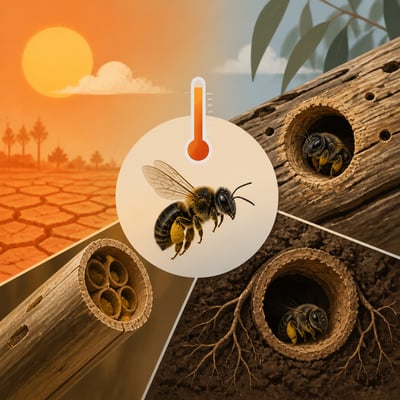
Research indicates that rising heat and climate-driven changes in flowering can undermine bee reproduction, survival and access to adequate nutrition.
Vulnerability varies substantially by species, nesting strategy, foraging range and social structure, with solitary bees and species exposed to hot nest environments facing particular risks. These pressures may reduce pollination capacity, especially when combined with pesticides, habitat loss and mismatches between bee activity and plant flowering.
The story broadens from heat-driven bee stress to a more specific climate-risk framework that also includes altered flowering schedules and compounding pressures from pesticides and habitat loss. It also adds a clearer downstream implication: reduced bee performance can weaken pollination services for wild plants and crops.
The updated story sharpens the mechanism of bee vulnerability by emphasizing nest temperatures and social buffering, while downgrading certainty about overall population and crop impacts. It also slightly reframes the risk as more context-dependent across species and landscapes rather than broadly predictive.