
 AI Governance
 Data Centers
 Drones
 Climate
 Privacy
 Bob Dylan

Climate Briefing: Deep
A daily review of what yesterday revealed
South Korea Puts Water Adaptation on a Timeline
In Focus
South Korea has presented a water-management plan that pairs more flood forecasting with levee, sewer and water-supply upgrades. Its targets make adaptation more concrete, although funding and delivery remain open questions.
Elsewhere, a US permitting dispute exposes the tension between faster energy development and local safeguards, while Thailand’s COP31 position puts finance and technology access at the center of its climate objectives.
South Korea’s plan calls for expanding flood-forecasting points from 223 to 270 by 2030, upgrading 40 aging levees and roughly 4,000 kilometers of sewer pipes, and diversifying water supplies. The Asia Business Daily also reports that AI-based drought forecasting is scheduled to begin in 2027. The plan addresses both heavy rainfall and localized water scarcity; it does not yet establish that the work is funded or completed.
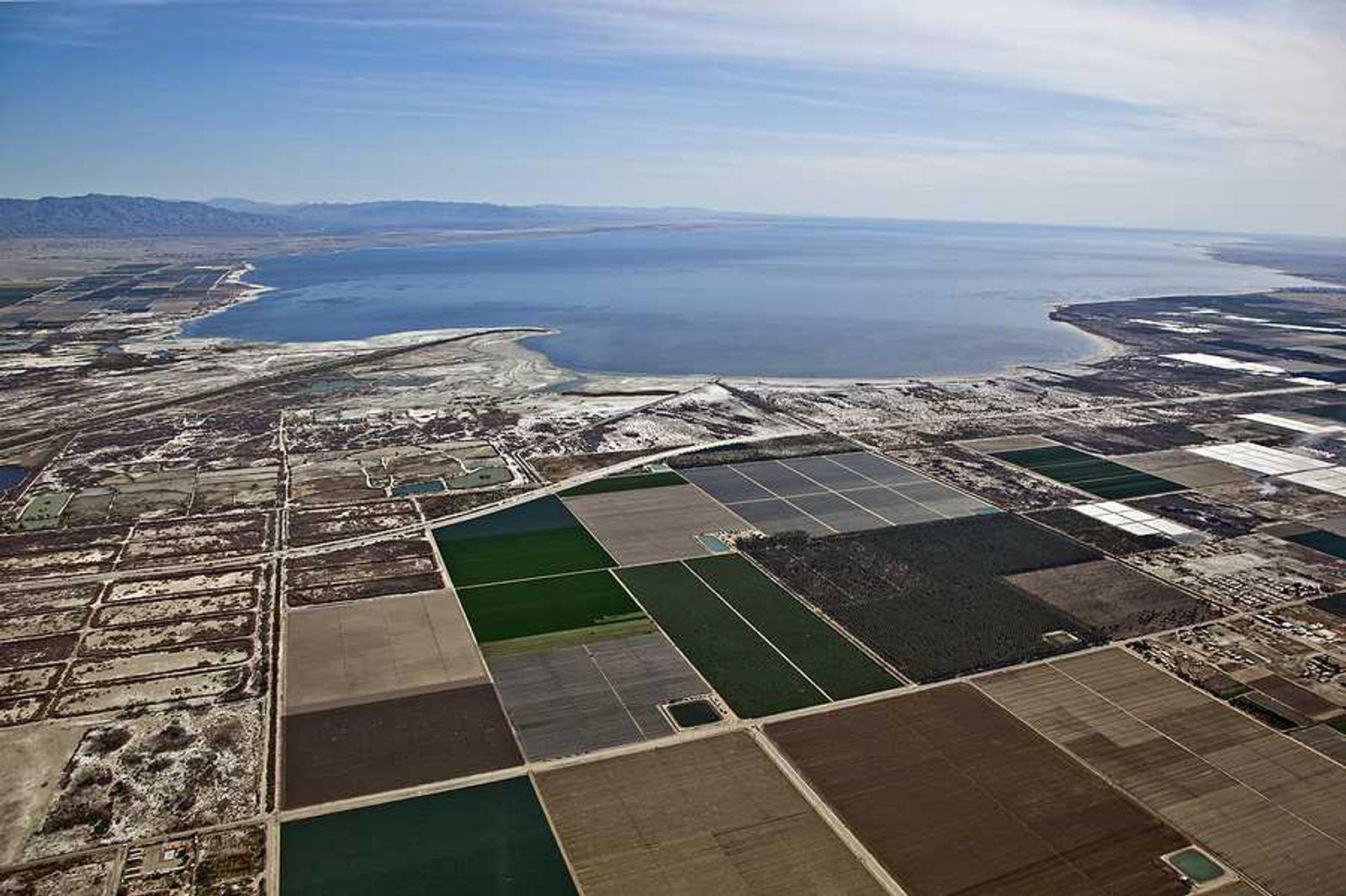
High Country News reports that communities near California’s Salton Sea are opposing a federal permitting proposal discussed in a November Senate debate. The bill could accelerate geothermal and lithium projects by shortening environmental reviews, but advocates and researchers warn it could also restrict participation and consultation in an area already affected by dust exposure. Its legislative status and final provisions remain unclear.
At COP31, Thailand urged developed countries to expand climate finance and clean-technology support and strengthen disaster preparedness, according to Asia News. Its negotiating framework combines a 2050 net-zero objective with energy security, adaptation and protections for a fair transition. The position adds a national perspective to continuing finance disputes; it is not a new funding commitment.
South Korea’s plan treats early warning as one part of adaptation rather than a substitute for physical infrastructure. It follows a recent WMO call for investment in observation and warning systems.
The Salton Sea dispute shows why permitting speed and local acceptance cannot be treated as the same goal: a proposal intended to accelerate projects is also drawing resistance over how those projects would be reviewed.
Impact on Issues
The day’s developments sit at different stages: an infrastructure plan, proposed legislation and a negotiating position. None establishes a completed climate outcome.
Water Adaptation and Infrastructure
South Korea’s plan brings flood protection, drought forecasting and water supply into one national package.
The climate ministry presented targets through 2030, including more flood-forecasting points, levee and sewer upgrades, and diversified water sources. AI-based drought forecasting is scheduled for 2027.
The targets make progress observable, but the available reporting does not establish funding, procurement readiness or expected reductions in losses.

Energy Permitting and Local Safeguards
The Salton Sea debate pits a proposed faster permitting process against concerns about environmental review and community participation.
Reporting on a November Senate debate described opposition to a federal bill that could accelerate geothermal and lithium projects while shortening reviews and limiting later permit changes.
The dispute illustrates a practical obstacle to project development where communities already face environmental burdens. Warnings about additional harm are not evidence that the proposal has caused it.
Climate Finance at COP31
Thailand’s negotiating position links its climate objectives to access to finance, technology and disaster-preparedness support.
Thailand urged developed countries to expand support while pursuing its 2050 net-zero objective. Its Cabinet-approved framework also addresses energy security, adaptation and carbon-market safeguards.
The request gives a concrete national dimension to continuing COP31 disputes over finance and implementation, but does not establish a breakthrough.

Note
Climate implementation looks different at each stage: South Korea has targets to deliver, Salton Sea communities are contesting the rules for projects, and Thailand is seeking the support to act. In each case, the next decisions matter more than the stated ambition alone.
About Briefings
Daily Briefings are AI generated based on information from the best articles, signals, and topics active on the prior day. Summarizations of events of the past week or so are considered within the conclusions or characterizations.
This briefing is AI-generated from curated sources across Central Intelligence's monitored coverage. Review original sources for decisions requiring full context.
Subscribe
Subscribe
Fresh analysis and great links every morning.