AI Governance
 Data Centers
 Drones
 Climate
 Privacy
 2026 Maine Senate
 Bob Dylan
Climate Risk Finance And Insurance Stress
The ongoing major issues seen in articles and topics over time.
The Drivers
13
Articles Related
233
The Big Picture
Climate-driven disasters and chronic physical risks are straining insurance markets, public disaster aid, local resilience funding, household affordability, and adaptation investment. The enduring issue is how societies price, fund, transfer, and distribute rising climate losses as traditional insurance and recovery systems become less reliable.
Risk finance determines whether households, businesses, local governments, and public agencies can absorb escalating climate damages without deepening inequality or fiscal instability. Insurance retreat, reinsurance costs, disaster-aid reform, and resilience funding gaps will continue shaping adaptation choices, housing markets, public budgets, and political support for climate action.
Categories
Economics & Finance, Adaptation & Resilience, Policy, Regulation & Governance, Impacts & Risks, Social, Equity & Justice Dimensions
Keywords
climate insurance, insurance retreat, property insurance, FAIR Plan, reinsurance costs, homeowner premiums, disaster finance, FEMA reform, National Flood Insurance Program, flood insurance, adaptation finance, resilience funding, local climate funds, risk transfer, climate affordability, disaster aid, public budget risk, climate loss distribution
The Drivers
The Topics below, and their articles, all focus on, exemplify, or help to explain this theme.
Primary
- 99
Climate Risk Reshapes Home Insurance

More frequent and severe wildfires, storms, floods, and other hazards are raising insurance losses and pushing homeowners insurance premiums higher across the United States. Insurers are responding through higher rates, tighter coverage, greater use of forward-looking risk models, and reduced exposure in high-risk areas, creating affordability and availability concerns for households, lenders, and local governments. California has become a prominent policy battleground over wildfire coverage, insurer regulation, public backstops, and the relationship between climate action, energy reliability, and household costs. Researchers and industry partners are also developing tools to anticipate climate impacts and improve insurance-sector resilience.
Articles: 22
Last Updated: 07/27/2026
- 98
Catastrophe Losses And Insurance Risk

Recent material shows insurers and risk managers responding to another year of more than $100 billion in insured natural catastrophe losses, with wildfire, hurricane, flood, and storm losses driving tighter modeling and affordability concerns.
Articles: 3
Last Updated: 01/28/2026
- 97
Climate Change Raises Household Costs
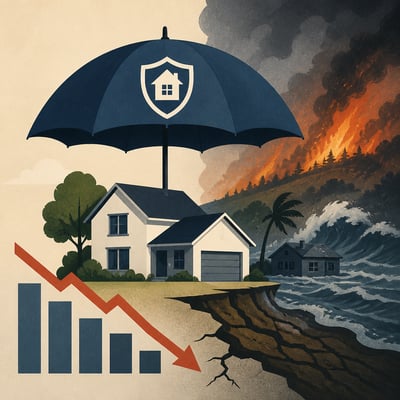
Climate change is making homes, water supplies, and insurance more costly and financially exposed. In the UK, hotter and drier conditions are increasing subsidence risk while flood and climate hazards are weighing on property values, lending, and insurance. In drought-prone US cities, costly supply projects could sharply raise water bills, with low-income households facing the greatest affordability pressures.
Articles: 17
Last Updated: 08/13/2026
- 92
FEMA Renewable Resilience Grants
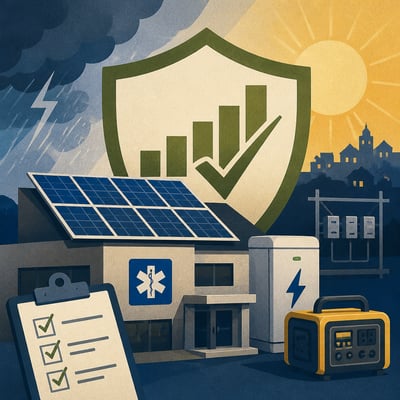
This topic centers on a GAO review of FEMA funding for small-scale renewable energy projects used as hazard mitigation, including rooftop solar, microgrids, and solar generators. The main issue is whether these projects can be shown to be cost-effective under federal rules, given the difficulty of valuing avoided outage damage and other indirect resilience benefits. The reporting matters because it sits at the intersection of disaster preparedness, critical-facility backup power, and the standards used to justify federal resilience spending.
Articles: 3
Last Updated: 07/10/2026
- 90
Climate Warming Raises Extreme Weather
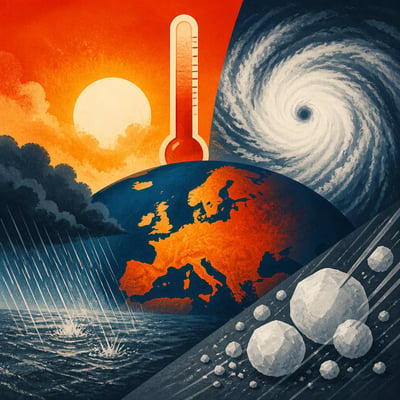
Research and event-attribution analyses indicate that human-caused warming is making some extreme heat events more likely and more severe, while projections show a shift toward larger and more damaging hail in several mid-latitude regions. The consequences include greater risks to health, buildings, vehicles, crops, solar panels, and other infrastructure. Regional outcomes vary, and declining aerosols can influence European circulation, but greenhouse-gas warming remains the dominant driver identified in the material.
Articles: 69
Last Updated: 07/29/2026
- 89
Insurers Reprice Clean Energy And Climate Risk

Insurance markets are simultaneously expanding capacity for renewable energy projects and becoming more selective about the technical, supply-chain, catastrophe, and lifecycle risks they will accept. Well-engineered, data-rich projects are receiving substantial property-rate reductions, while battery hazards, concentrated equipment supply chains, phased commissioning, and limited claims history continue to shape underwriting. In climate-exposed housing markets, rising premiums and nonrenewals are making insurance a driver of affordability, recovery, and neighborhood inequality. The broader pattern is a shift toward earlier resilience planning, better project data, and closer alignment between insurance, finance, and risk reduction.
Articles: 10
Last Updated: 07/02/2026
- 88
Puerto Rico Solar Funds Face Redirection
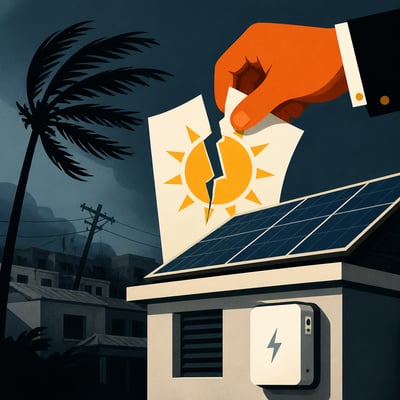
Federal funding intended to improve Puerto Rico’s electricity resilience through rooftop solar and battery storage is being redirected toward centralized grid repairs, including support for the Puerto Rico Electric Power Authority. The shift has left some low-income and medically vulnerable households without promised backup power while intensifying a broader legal and political dispute over FEMA recovery funds, fossil-fuel dependence, and the island’s long-term energy system. Advocates argue distributed systems can reduce outage risks after hurricanes, while federal and local officials emphasize stabilizing the existing grid.
Articles: 6
Last Updated: 06/17/2026
- 78
Climate Models Understate Economic Damage
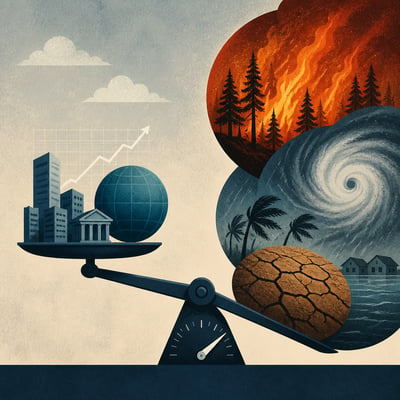
Research and investor analysis indicate that widely used climate-risk models may understate physical damages by relying on global average temperatures, GDP effects, and historical relationships that do not fully capture extreme events, tipping points, or cascading disruption. The gap matters for governments, central banks, pension funds, insurers, and asset managers because understated risks can affect capital allocation, valuations, resilience planning, and financial stability. UK-specific analysis illustrates the range of potential exposure, while broader research calls for models that include regional shocks, inequality, mortality, supply-chain effects, and low-probability high-impact outcomes.
Articles: 13
Last Updated: 08/02/2026
- 74
New Mexico Orphan-Well Liability Fight
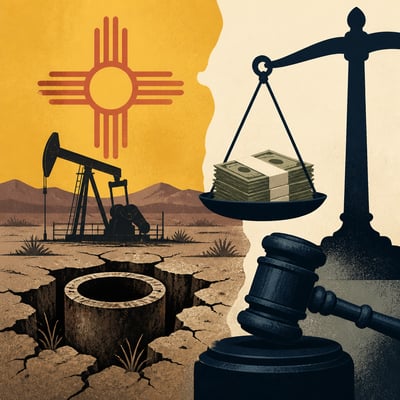
New Mexico is pressing oil companies over allegedly understated cleanup liabilities in old-well sales, with lawsuits and reform efforts aimed at preventing orphan wells from shifting remediation costs to taxpayers.
Articles: 3
Last Updated: 04/11/2026
- 72
Africa Expands Climate Adaptation

African countries and communities are facing intensifying droughts, floods, heat, food insecurity, and displacement while developing locally led approaches to strengthen resilience. The dominant policy direction is a shift from emergency response toward early warning, climate-resilient agriculture, integrated water and energy planning, and adaptation finance that reaches national and local institutions. Persistent barriers include limited fiscal space, weak insurance coverage, delayed funding, structural inequality, and the continued use of externally designed solutions.
Articles: 10
Last Updated: 07/24/2026
- 72
Global Climate Risk Assessment
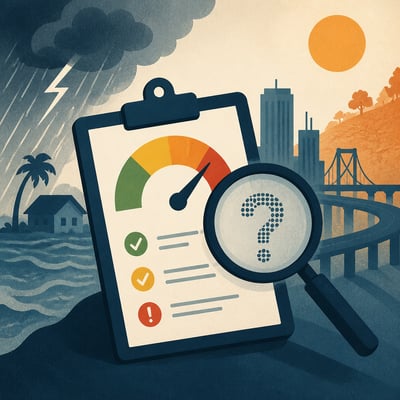
Climate scientists and risk researchers are calling for an authoritative, regularly updated global assessment that explains the severity, likelihood, and avoidability of climate risks. The proposed framework would complement IPCC science assessments by examining outcomes such as extreme heat, food and water insecurity, infrastructure disruption, sea-level rise, and cascading social impacts. Its value would depend on transparent methods, clear communication of uncertainty, and international coordination, all of which remain unresolved challenges.
Articles: 6
Last Updated: 07/22/2026
- 71
Portland Climate Fund Faces Spending Fight
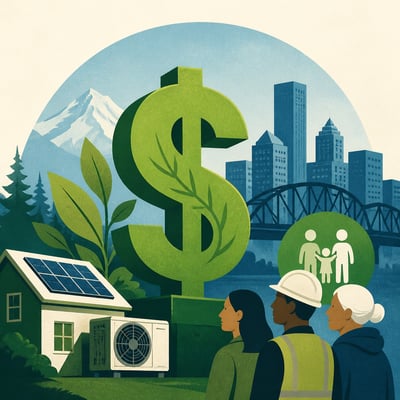
Portland’s Clean Energy Community Benefits Fund, financed by a 1% tax on large retailers, has generated about $1 billion and funded community solar, home retrofits, cooling equipment, workforce training, and other climate projects. Its financial growth has intensified debate over whether the money should remain focused on climate resilience and historically underserved communities or help pay for shelters, livability programs, or a Moda Center renovation. The fund is also being watched by other cities pursuing different local approaches to climate financing, while Oregon faces broader pressure to preserve its state climate protection program.
Articles: 5
Last Updated: 07/15/2026