
 AI Governance
 Data Centers
 Drones
 Climate
 Privacy
 2026 Maine Senate
 Bob Dylan

Bob Dylan’s Love and Theft
Coverage from American Songwriter, Tinnitist, and others
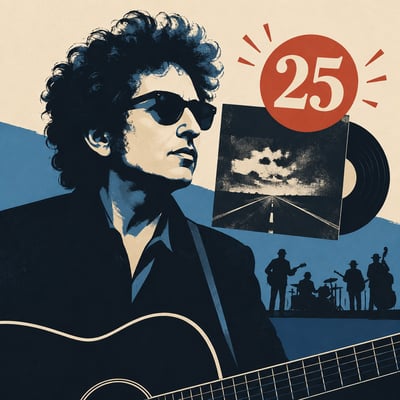
Released on September 11, 2001, Love and Theft is a Bob Dylan album produced under his Jack Frost pseudonym and recorded largely with musicians from his touring band.
Its loose, ensemble-driven sound draws on blues, folk, rockabilly, swing, Tin Pan Alley, and other American traditions, while songs such as Mississippi, High Water, and Floater range across humor, narrative, and social commentary. The album followed Time Out of Mind and earned lasting critical and institutional recognition. Its history also includes discussion of lyrical similarities between Floater and passages in Junichi Saga’s Confessions of a Yakuza.
Self-directed synthesis of American musical traditions
The album is consistently framed as a self-produced, ensemble-driven work that recombines blues and other older American musical forms. Its flexible performances and distinctive vocal approach are presented as central to its character.
The September 11 release remains part of the album’s meaning
Retrospectives repeatedly connect the album’s release on September 11, 2001, with an enduring historical shadow, including interpretations of songs invoking disaster. The release date remains a key part of how the record is discussed.
A landmark in Dylan’s late-career standing
Coverage presents Love and Theft as consolidating or revitalizing Dylan’s late-career stature, with several retrospectives describing it as a major achievement. This assessment is tied to the album’s sustained songwriting and performance strengths.
The new anniversary retrospectives reiterate the album’s established musical character and release context without adding a material development.
Previously
Bob Dylan’s Love and Theft receives a 25th-anniversary reassessment as a self-produced, touring-band recording that fused blues and other American traditions with durable late-career recognition.
The main new emphasis is that the September 11, 2001 release date shapes interpretation of the album’s reception and historical context; the other central reassessment themes remain consistent.