
 AI Governance
 Data Centers
 Drones
 Climate
 Privacy
 2026 Maine Senate
 Bob Dylan
Ohio Data Centers Face Local Constraints
Coverage from WYSO, The Repository, and others
Going On
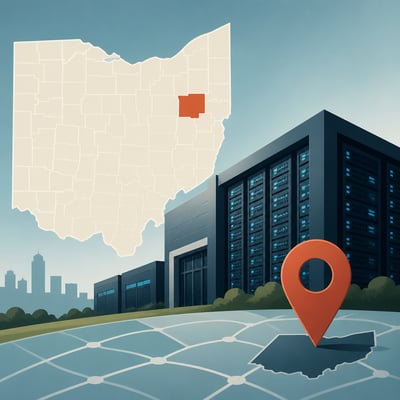
Cleanview tracks 18 operating Ohio data centers totaling 558 megawatts and 42 planned projects representing a reported 15,739 megawatts.
The story now centers less on Ohio’s overall pipeline and more on execution risk: whether utilities and local governments can actually provide power, water, tax terms, and safeguards on the projects' timelines. It also adds a clearer dispute over project labeling in Wheeling, where officials reject the data center framing.
The story broadened from a Stark County-focused review to a statewide Ohio pipeline of data center development, adding a much larger scale of planned capacity and a new emphasis on systemwide power and water planning. It also introduces several new project-specific and analytical claims, including the Belmont County megaproject and a clearer distinction between cooling water and electricity-generation water demand.
- 18 operating Ohio data centers total 558 MW.
- 42 planned projects could add 15,739 MW.
- Real Stargate Ohio targets commercial operation in Q2 2029.
- Water demand may stem mainly from electricity generation, not cooling.
- Some reported data center projects have disputed or evolving uses.
The story has shifted from a general inventory of Stark County data centers to active local governance around major projects now moving through construction, zoning, tax, and water negotiations. Perry Township and Massillon have become the central flashpoints, with Bitdeer and the 240-megawatt Perry project now defining the county’s data center debate.
- 240-megawatt Perry Township data center under construction
- 221-megawatt Bitdeer facility in Massillon
- Perry Township abatement with upfront payments and mitigation measures
- Massillon scaling back moratorium and revisiting zoning rules
- JEDD tax-sharing tensions over annexation and water service
This topic centers on identifying which data centers are already operating in Stark County and how they fit into the wider Ohio data center landscape. The available material is mainly a statewide tracker that catalogs operating and planned facilities by county, developer, and capacity. It provides context for Stark County by situating any local sites within a broader wave of data center development across Ohio.