
 AI Governance
 Data Centers
 Drones
 Climate
 Privacy
 2026 Maine Senate
 Bob Dylan
Wildfires Drive Record Losses and Smoke
Coverage from The Guardian, Phys.org, and others
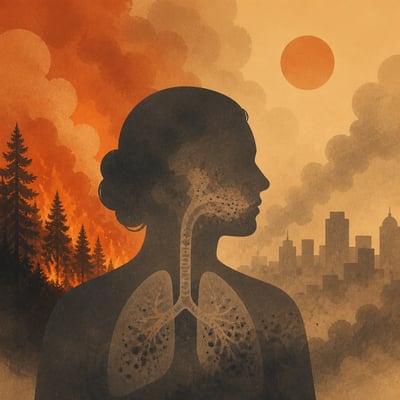
Wildfires are producing increasingly severe consequences even when total burned area is not at a record level, as fires reach densely populated areas and generate widespread smoke.
Available estimates link the 2025 fire season to at least $54 billion in global losses, while smoke from fires in North America reversed some U.S. ozone-quality gains and created hazardous conditions across distant regions. Heat, drought, and shifting climate patterns are important contributing factors, but fire outcomes also depend on land use, weather, suppression, and local prevention measures.
The update sharpens the story with a specific 2025 loss estimate and slightly reframes the analysis from acreage and smoke impacts toward a broader risk model that includes fire intensity, spread, and indirect losses. It also adds a clearer regional smoke example and a more explicit explanation of what drives outcomes.
The story now puts much more emphasis on 2025 as a record-breaking economic damage year, driven by severe fires in densely populated areas like Los Angeles, rather than mainly on smoke and health effects. It also broadens geographically with a new Amazon angle, showing how rainfall can sharply reduce fire activity but climate shifts could quickly raise risk again.