
 AI Governance
 Data Centers
 Drones
 Climate
 Privacy
 2026 Maine Senate
 Bob Dylan
Hormuz Disruption Reshapes Global Energy
Coverage from Council on Foreign Relations, The New York Times, and others
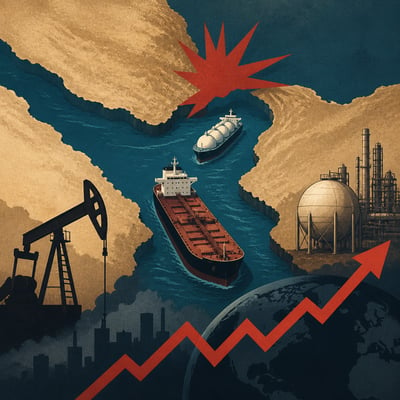
Restrictions and conflict around the Strait of Hormuz are disrupting oil, LNG, and LPG flows, driving higher prices and exposing the vulnerability of import-dependent economies.
Qatar’s LNG capacity damage and limited spare export capacity elsewhere make gas markets particularly difficult to stabilize, while oil markets are being buffered by reserves, rerouted cargoes, and other temporary measures. Governments are responding with alternative fuel supplies and increased fossil-fuel use in the short term, while countries such as India are also reassessing renewable energy and broader energy-security strategies.
The update sharpens the story from general Hormuz-driven energy disruption to a more specific view of how LNG remains hardest to replace while oil markets are being temporarily cushioned. It also adds a clearer policy response: some importers are extending fossil-fuel use in the short term while India deepens ties with the U.S. and leans further toward domestic clean-energy safeguards.
The story now centers more on direct damage to Qatar’s LNG export infrastructure and the addition of LPG disruptions, making supply risk more immediate than before. It also adds clearer country-specific reactions, especially India’s shift toward U.S. LNG and LPG, rather than just broad concern about import dependence.