
 AI Governance
 Data Centers
 Drones
 Climate
 Privacy
 2026 Maine Senate
 Bob Dylan
Extreme Heat Threatens Pregnancy Health
Coverage from Earth.Org, eartharxiv, and others
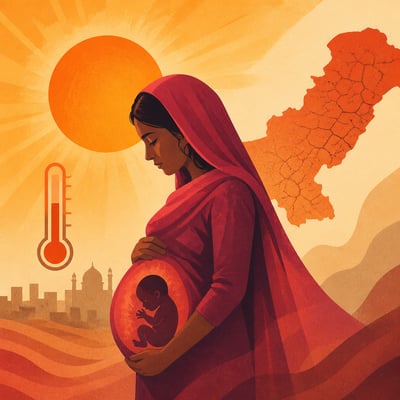
Evidence increasingly links high temperatures, particularly during late pregnancy, with higher risks of preterm birth and low birth weight.
The burden is greatest where heat exposure overlaps with poverty, limited cooling, outdoor work, weak health infrastructure, and insufficient pregnancy-specific guidance, including in Pakistan and Hong Kong. The findings point to a need for climate-adapted antenatal care, targeted heat warnings, stronger maternal health services, and protections for heat-exposed workers.
The story is slightly reframed from a general evidence-and-vulnerability update into a more action-oriented call for climate-adapted maternal care and worker protections. It also adds Hong Kong and informal workers in Pakistan as clearer examples of the protection gap.
The story broadens from Pakistan-centered maternal heat risk and public adaptation preferences to a wider evidence base that includes multinational birth records, pregnancy-care gaps, and worker-protection shortcomings. It also adds a more specific account of which exposures and conditions drive unequal risk.
- Moderate heat levels are now linked to measurable preterm-birth risk.
- Late gestation is identified as a particularly vulnerable period.
- Routine antenatal care often lacks pregnancy-specific heat warnings.
- Outdoor solar workers may lack explicit heat protections and affordable equipment.
- A Hong Kong survey found only three of 29 respondents received provider heat warnings.
The story now extends beyond the heat-health study to include new survey evidence showing how Pakistanis themselves prioritize climate adaptation. That adds a public-attitudes and policy-preference dimension, shifting the emphasis from purely medical risk to the kinds of interventions people want.
Recent coverage ties climate-driven heat exposure to pregnancy and newborn health, especially low birth weight in Pakistan. The strongest evidence comes from a new BMC Medicine study using more than 85,000 births, which finds heat-linked risk concentrated in vulnerable provinces and likely to rise further as temperatures increase. Broader material adds context on pregnancy heat stress, air pollution, and the need for health-system adaptation rather than warnings alone.