
 AI Governance
 Data Centers
 Drones
 Climate
 Privacy
 2026 Maine Senate
 Bob Dylan
Climate Extremes Push Food Prices Higher
Coverage from Tasting Table, Food Ingredients First, and others
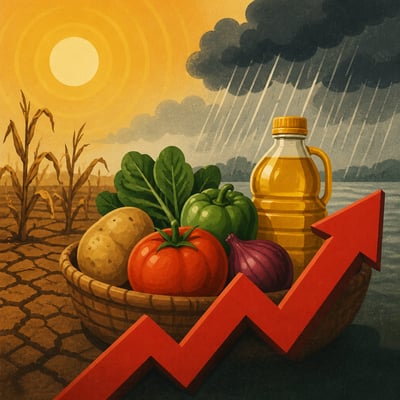
Extreme heat, drought, freezes and heavy rainfall are disrupting crop production and contributing to higher prices for tomatoes, potatoes, cooking oils and other food products.
The effects are most pronounced where supply is concentrated or fresh produce is difficult to store, allowing localized weather shocks to spread through national and global markets. Higher prices can make nutritious foods less affordable, although non-climate factors such as war, trade measures, currency movements and broader input costs also contribute.
The story now emphasizes that the weather-driven food-price problem is broader and more current, with early-2026 tomato disruptions highlighted and the framing expanded to include other non-climate pressures on prices. It also adds East Asia to the geographic scope of affected regions.
The story broadens from tomatoes, potatoes and cooking oils in the US to a wider, evidence-backed pattern of weather-driven food inflation across multiple countries. A new study now anchors the claim that extreme heat, drought and heavy rainfall are producing recurring price shocks, not just isolated supply hits.