
 AI Governance
 Data Centers
 Drones
 Climate
 Privacy
 2026 Maine Senate
 Bob Dylan
UNICEF Maps Children’s Climate Risks
Coverage from Frontiers, Vreme, and others
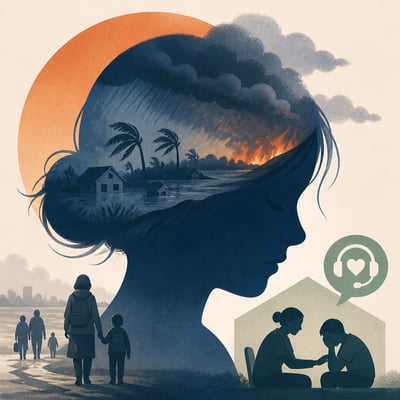
UNICEF reporting indicates that nearly every child worldwide is exposed to at least one climate hazard, while about half face three or more overlapping threats such as drought, extreme heat, floods, storms, and wildfires.
These hazards are disrupting schooling, damaging infrastructure, worsening food and water insecurity, and increasing risks from infectious disease, with children in highly vulnerable countries facing the greatest effects. The evidence also links climate-related distress and disaster exposure with greater psychiatric symptoms among psychiatric outpatients, underscoring the need for resilient health, education, water, sanitation, and social-support systems.
The core story is unchanged, but the current version sharpens the framing around repeated climate shocks and adds a clearer mental-health dimension from the South Korean clinical study. It also slightly broadens the service implications by emphasizing social-protection systems alongside health, education, and water/sanitation.
The core UNICEF finding is unchanged, but the framing has been tightened: the current version adds UNICEF’s 2026 report label and shifts the emphasis toward resilience in public services and infrastructure. It also incorporates the South Korean mental-health study more directly into the story of climate-related distress and resilience.