
 AI Governance
 Data Centers
 Drones
 Climate
 Privacy
 Bob Dylan

Climate: Featured Story
Coverage from Investing, Awani International, and others
World Leaders Address COP31 as Turkey Pushes Climate Deal
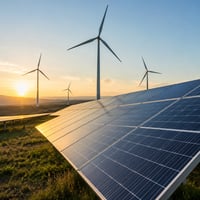
World leaders and negotiators are meeting at COP31 in Antalya, where Turkey is promoting a target to raise electricity’s share of global energy use to 35% by 2035. The proposal does not require new electricity generation to come from clean sources, while delegates face renewed pressure to agree on concrete steps and timelines for moving away from fossil fuels. The target and broader transition measures remain subjects of negotiation; the United States is absent for a second consecutive year.
If you read one thing
A detailed overview of Turkey’s proposed electricity target and the unresolved debate over clean power and fossil-fuel transition plans.
Best explainer
Adds context on which leaders are absent and the EU’s argument that electrification should rely on clean power.
The evidence
Reports concerns about limited expectations and the pressure on negotiators to turn climate pledges into concrete action.
The coverage describes negotiations in progress, not an agreed COP31 outcome. Turkey’s electricity target is specific, but its clean-power conditions and the broader fossil-fuel transition plan remain unresolved.
Turkey is promoting a target to raise electricity’s share of global energy use to 35% by 2035, from a little over one-fifth today; negotiators have yet to establish agreement on the proposal.
The proposal does not require new electricity generation to come from clean sources, a gap the EU has highlighted as it argues electrification should rely on clean power.
Delegates have not clarified a broader plan for moving away from fossil fuels. UN Secretary-General António Guterres urged countries to set clear transition timelines; a Brazilian roadmap proposes energy-system planning by 2028 and coordinated fossil-fuel supply reductions from 2031.
The United States is not attending COP31 for a second consecutive year, while China is represented by Vice President Han Zheng rather than President Xi Jinping.
35% by 2035, up from a little over one-fifth currently
Turkey’s proposed target is to raise electricity’s share of total global energy consumption; the proposal does not require new power generation to come from clean sources.
By 2028
A Brazilian COP presidency roadmap asks countries to plan and assess their energy systems by 2028.
From 2031
The Brazilian roadmap then calls for countries to work together to reduce fossil-fuel supply from 2031.
Contested Issue
Whether the proposed electrification target should require new electricity to come from clean sources
Turkey is promoting a target to raise electricity’s share of global energy use to 35% by 2035, but its proposal does not require new power to be generated from clean sources.
The European Union argues that electrification should rely on clean power.
Coverage published on November 11 framed COP31 as a push to turn climate commitments into practical implementation, while negotiations centered on Turkey’s proposed target of raising electricity’s share of global energy use to 35% by 2035. Reports highlighted a key limitation: the proposal does not require new electricity to come from clean sources. They also described renewed pressure, including from UN Secretary-General Antonio Guterres, for clear timelines to move away from fossil fuels, with a Brazilian roadmap cited as one proposal for further planning and supply reductions. The articles presented these measures as under discussion, not as an agreed deal.