
 AI Governance
 Data Centers
 Drones
 Climate
 Privacy
 2026 Maine Senate
 Bob Dylan

Climate: Featured Story
Coverage from Mercury News, Eagle-Tribune, and others
UN Climate Talks Open Amid Disasters and Energy Shocks
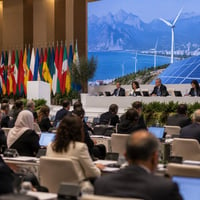
COP31 has opened in Antalya, Turkey, as delegates face worsening climate risks, energy shocks, and slow progress on earlier climate pledges. Negotiations are focused on implementing commitments to move away from fossil fuels and providing finance for poorer countries, while Turkey is promoting electrification powered by solar and wind. The expected absence of the United States adds difficulty to discussions about emissions responsibility and funding.
If you read one thing
The master coverage lays out the talks’ core issues—fossil-fuel transition, climate finance and the strains from energy shocks and the expected U.S. absence.
Coverage describes negotiations getting underway, not agreements reached. Fossil-fuel transition and climate finance remain central unresolved issues, with energy shocks and the expected U.S. absence adding difficulty.
Negotiators are discussing how to implement earlier commitments to transition away from fossil fuels and provide funding for poorer countries’ clean-energy shifts, adaptation and recovery from climate damage; the coverage reports no agreed outcomes yet.
The United States is not expected to take part. Reporting says its absence complicates discussions over emissions responsibility and who will provide climate finance; the negotiations’ eventual handling of those questions remains uncertain.
Turkey is promoting a goal of increasing electricity’s share of global energy use from 21% to 35% by 2035, preferably using renewable power. This is described as an initiative, not a negotiated COP outcome.
The climate effort is described as off track: the reporting cites current warming of about 1.4°C and a projection of 2.6°C under current trajectories. It also notes that fossil-fuel phaseout has rarely appeared in final conference documents, which require consensus.
About 1.4°C (2.5°F)
The United Nations finding cited in the coverage for current global warming above preindustrial levels.
2.6°C (4.7°F)
The United Nations projection for warming above preindustrial levels under current trajectories.
Below 2°C (3.6°F), with a preferred limit of 1.5°C (2.7°F)
The warming limits nations set in 2015; the 1.5°C goal is measured over a multi-year period.
$1.1 trillion
The United Nations estimate of global fossil-fuel subsidies in 2026.
From 21% to 35% by 2035
Turkey’s goal for electricity’s share of global energy use, preferably using renewable power.
October 2026 was the hottest October on record
The European climate agency Copernicus reported this record in the coverage.
2026 is virtually certain to be the second year to exceed 1.5°C, after 2024
The European climate agency Copernicus’s assessment reported in the article.
Coverage introduced COP31 through the pressures surrounding the negotiations: climate impacts and energy-price shocks, slow progress on emissions pledges, and disputes over fossil-fuel transition and finance for poorer countries. It also highlighted Turkey’s proposed expansion of renewable-powered electrification as a possible avenue for action, while noting that the expected U.S. absence complicates discussions of responsibility and funding. The supplied articles largely reproduce the same Associated Press report, rather than documenting developments across multiple stages of the talks.