
 AI Governance
 Data Centers
 Drones
 Climate
 Privacy
 2026 Maine Senate
 Bob Dylan
Last Update: 09/25/2026 at 4:33 PM EST
Salk Tests Deep-Rooted SoybeansSalk Tests Deep-Rooted Soybeans
Coverage from KSL.com, Mercury News, and others
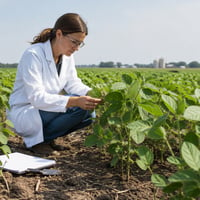
Salk Institute researchers are field-testing genetically edited soybeans with deeper and larger root systems in Illinois, with additional sites planned in Missouri, Kansas, and Iowa. The trials will assess drought performance, crop yields, root growth, soil-carbon storage, and the durability of carbon retained underground. Laboratory-based estimates suggest the crops could store about one additional metric ton of carbon dioxide per hectare annually, but field results, possible agronomic trade-offs, permanence, and large-scale adoption remain uncertain.
First Article: 09/21/26
Latest Article: 09/21/26
Articles3 articles
09-20-2026
KSL.com / Joshua A. Bickel and Annika Hammerschlag
Salk Institute researchers are testing genetically engineered deep-rooted soybeans in Illinois, Missouri, Kansas and Iowa to assess drought resilience and agricultural carbon storage.
09-18-2026
Mercury News / Joshua A. Bickel and Annika Hammerschlag
Salk Institute researchers are testing genetically edited deeper-rooted soybeans in Illinois and planned Midwestern sites to evaluate drought resilience and durable carbon storage.
09-18-2026
AP News / Joshua A. Bickel and Annika Hammerschlag
Salk Institute researchers are testing genetically engineered deep-rooted soybeans in Midwestern United States field trials through 2026 to assess drought resilience and soil carbon storage.