
 AI Governance
 Data Centers
 Drones
 Climate
 Privacy
 Bob Dylan

Climate: Featured Story
Coverage from University of Exeter News, Mirage News, and others
Polar Tipping Points Near as Warming Approaches 1.5°C
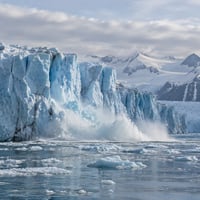
Researchers from the University of Exeter and the British Antarctic Survey warn that tipping processes may already be underway in parts of the cryosphere as global warming approaches 1.5°C. The report describes potential long-term sea-level rise from ice-sheet loss, additional warming from emissions in frozen and fire-affected regions, and possible weather effects from a Subpolar Gyre collapse. It calls for faster emissions cuts, long-range coastal planning and support for communities facing climate-related loss and displacement.
If you read one thing
The researchers’ source coverage lays out the reported risks, their uncertainty and the recommended responses.
Best explainer
Adds a separate news account with further context on possible impacts and long-term planning.
The coverage presents these as serious risks identified by the report, not as fully realized outcomes: ice-sheet loss would unfold over centuries to millennia, and the pace would depend on future warming. The report calls for immediate mitigation alongside planning for possible long-term impacts.
The report says localized tipping is already happening in permafrost and that thresholds may have been crossed in parts of the West Antarctic and Greenland ice sheets; the coverage does not establish the full extent or pace of any resulting ice loss.
Full loss of the West Antarctic and Greenland ice sheets could raise global sea levels by about five and seven metres, respectively. The report says such loss would take centuries to millennia, with its pace dependent on how much and how long the world warms.
A possible Subpolar Gyre collapse could bring colder, stormier winters to northwest Europe and might signal a wider Atlantic circulation risk; the coverage describes this as a potential outcome, not an established collapse.
Emissions from permafrost, wetlands, freshwaters and wildfire could amplify warming by 20–30%, according to the report.
The researchers recommend rapid cuts to methane and other short-lived climate pollutants, sustainable carbon removal, coastal planning for multi-metre sea-level rise beyond 2100, and support for communities facing loss or displacement.