
 AI Governance
 Data Centers
 Drones
 Climate
 Privacy
 2026 Maine Senate
 Bob Dylan
Last Update: 09/29/2026 at 3:33 PM EST
Iran War Fuel Crisis Could Accelerate…Iran War Fuel Crisis Could Accelerate Energy Transition
Coverage from Transition Times and others
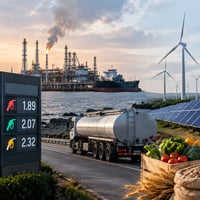
The Iran war has disrupted Persian Gulf oil and gas flows, depleted supply buffers and raised fuel costs, with knock-on effects for transport, farming and food prices. Damage to regional infrastructure is also constraining LNG supply, prompting some Asian buyers to weigh renewables and other alternatives. The articles argue that prolonged disruption could make fossil-fuel dependence less attractive, but the extent to which it will accelerate the energy transition remains uncertain.
First Article: 09/25/26
Latest Article: 09/27/26
Articles4 articles
09-25-2026
Transition Times / Chris Nelder
After eight months of Persian Gulf supply disruptions, fuel prices and economic pressures rose across global markets as Asian buyers reconsidered imported gas and cleaner alternatives.
09-25-2026
Transition Times / Chris Nelder
After eight months of Gulf supply disruptions, oil and LNG constraints are raising fuel costs and prompting governments and buyers across Asia, Europe and other regions to consider energy alternatives.
09-25-2026
Transition Times / Chris Nelder
The Iran war disrupted oil and LNG supplies from the Persian Gulf in 2026, raising global energy costs and prompting fuel-importing markets to consider alternatives.
09-25-2026
Transition Times / Chris Nelder
In 2026, Gulf energy disruptions and rising fuel prices are encouraging countries and consumers in Asia and Europe to consider renewable power and electric vehicles as alternatives to imported fossil fuels.