
 AI Governance
 Data Centers
 Drones
 Climate
 Privacy
 2026 Maine Senate
 Bob Dylan

Climate: Featured Story
Coverage from The Leader, Sustainable Construction Now, and others
Flintshire Approves Parc Adfer Carbon Capture Project
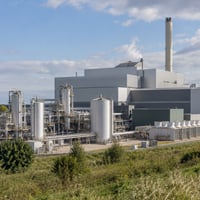
Flintshire County Council approved Enfinium's proposed carbon capture facility beside the Parc Adfer waste-to-energy plant after delaying its decision to allow consultation with nearby communities in England. The facility is designed to capture up to 95% of emissions, although consistent performance at that level is disputed; it also requires an environmental permit, and its proposed pipeline connection would need separate approval.
If you read one thing
Local coverage lays out the project’s remaining permit and pipeline steps, alongside questions about capture performance and electricity use.
The evidence
The master coverage details the council discussion, the 95% capture target and the expected reduction in grid exports.
Best explainer
Explains that Parc Adfer is a standby or expansion candidate for HyNet, not a confirmed network connection.
Planning permission is in place, with biodiversity obligations to be finalized. The facility cannot yet operate: it needs an environmental permit, and its pipeline connection is a separate step; its proposed capture performance also remains uncertain.
Approval followed a delay for consultation with English authorities and communities. The decision includes biodiversity habitat and long-term management obligations under a Section 106 agreement, with details still to be finalized.
The plant requires an environmental permit from Natural Resources Wales before it can operate. Its proposed pipeline branch requires separate approval, and Parc Adfer remains a standby or expansion candidate for HyNet rather than a confirmed connection.
Enfinium’s design targets up to 95% capture, but committee discussion raised doubts about achieving that rate consistently. Enfinium cites pilot testing; performance is expected to be addressed through environmental permitting and monitoring.
Running the capture equipment would reduce the plant’s electricity exports to the grid: reporting puts the expected level at about 7.9 megawatts, down from roughly 20–21 megawatts currently.
£200 million
Reported cost of Enfinium’s proposed carbon-capture facility at Parc Adfer.
Up to 95%
The facility’s designed capture rate. Enfinium says pilot testing supports the target, but a councillor cited estimates that similar plants capture nearer 50%; Enfinium’s engineering vice president said its contracts require at least 90%.
About 241,000 tonnes of CO₂ per year
The amount Parc Adfer reportedly releases, according to the council’s planning report as cited by Dee Side; this is not the facility’s expected captured amount.
Around 220,000 tonnes of CO₂ per year
Dee Side reports this as the facility’s average capture after allowing for maintenance and downtime.
232,000 tonnes of waste per year
The amount of non-recyclable waste Parc Adfer treats, according to The Leader’s report.
21 megawatts currently; 7.9 megawatts after the capture plant is running
The Leader reports Parc Adfer’s current electricity generation and the expected amount exported to the National Grid after the capture equipment uses power.
At least 30 years
Minimum period for biodiversity habitat management and monitoring required under the planned Section 106 agreement.
Contested Issue
Whether the facility can achieve its stated 95% carbon-capture rate consistently in operation
Councillor Andrew Parkhurst questioned whether 95% was realistic, citing reported capture rates near 50% at similar plants; after Enfinium said its pilot reached 95% but not full time, he said the rate did not sound consistently achievable.
Enfinium’s representative said the company was confident of achieving 95%, citing pilot testing, and its planning adviser said the target would be monitored through Natural Resources Wales’ permitting process.
Coverage first detailed the approval’s conditions and unresolved practical limits: the capture plant still needs a Natural Resources Wales environmental permit, and its proposed pipeline connection would require separate approval. Subsequent reports described the facility’s scale, pipeline and habitat-management obligations, while also highlighting objections and questions about whether the proposed 95% capture rate could be achieved consistently. Later coverage added the expected reduction in electricity exports and the applicant’s account of pilot testing and performance monitoring through permitting.
- 11-04-2026
Dee Side reported the approval alongside questions about whether the plant could consistently reach its designed capture rate. It noted that the facility cannot operate without an environmental permit and that the proposed pipeline was outside the planning application and would need separate approval.
- 11-05-2026
Reports described the plant’s proposed CO2 capture and transport arrangements, the consultation preceding approval, and conditions including long-term biodiversity management. The Leader also reported the anticipated drop in grid exports and presented councillors’ questions about the 95% target alongside the applicant’s account of pilot testing and monitoring through permitting.
- 11-06-2026
Carbon Herald reported the planning approval as subject to finalizing a Section 106 agreement, including biodiversity measures and a long-term monitoring and management framework.
- 11-09-2026
Business Live focused on the effect of the capture equipment’s energy use on electricity exports and recounted the challenge to the 95% capture figure, alongside the project adviser’s explanation that Enfinium’s pilot testing informed the target and that performance would be monitored through permitting.