
 AI Governance
 Data Centers
 Drones
 Climate
 Privacy
 2026 Maine Senate
 Bob Dylan

Climate: Featured Story
Coverage from Time, Grist, and others
Democrats’ Blue Wave Opens New Climate Policy Fight
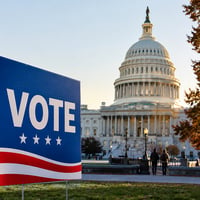
Reports on the 2026 U.S. midterms say Democrats gained control of both chambers of Congress and made significant state-level gains, creating more leverage over climate funding, oversight, and energy legislation. Major federal policy changes remain uncertain while President Donald Trump is in office, so state action and narrower, potentially bipartisan measures may carry greater weight. Energy affordability and the local costs of data centers featured prominently in several races.
If you read one thing
A concise overview of the reported congressional gains, federal constraints, and possible climate and energy priorities.
The evidence
Details state and local election outcomes, including utility regulation and campaigns focused on data-center impacts.
Best explainer
Adds perspectives on congressional scrutiny, state-level action, and how affordability concerns may shape data-center policy.
The reported gains create opportunities for oversight and targeted climate and energy measures, but the coverage does not establish that these policies have been enacted. Experts expect limited scope for ambitious federal climate legislation while Trump remains president; state action and narrower measures may have more room to advance.
Congressional control gives Democrats tools to scrutinize the administration and influence funding and permitting legislation. Restoring withheld climate funds and revising permitting provisions are described as possible priorities, not completed actions; the president’s veto power limits the prospects for sweeping federal changes.
State-level results offer potential avenues for policy on community solar, energy storage and utility regulation. Coverage identifies Democratic state-government gains and Georgia’s utility commission flip, but does not establish that proposed measures have yet been enacted.
Energy affordability and data-center impacts were salient campaign issues. Coverage reports wins by candidates who criticized data-center expansion and expects more attention to developers’ energy costs, while noting that construction is likely to continue.
Experts cited in the coverage anticipate incremental or bipartisan energy measures, including support for domestic battery supply chains, rather than ambitious federal climate legislation. The scale and outcome of any such measures remain uncertain.