
 AI Governance
 Data Centers
 Drones
 Climate
 Privacy
 2026 Maine Senate
 Bob Dylan

Climate: Featured Story
Coverage from Council on Foreign Relations, Anadolu, and others
COP31 Set to Open in Antalya
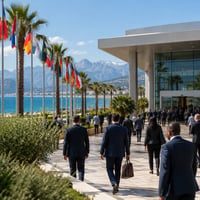
COP31 is scheduled for November 9–20, 2026, in Antalya, Türkiye, with discussions centered on implementing existing climate commitments. Negotiators are expected to address emissions reductions, climate finance, adaptation, and the practical design of a just transition mechanism, while the host-led action agenda promotes electrification and waste and methane reduction. Major new pledges are not expected, and disagreements over funding, mitigation, and fossil fuels remain unresolved.
If you read one thing
A clear overview of the summit’s schedule, priorities, and the main issues negotiators face.
The evidence
A detailed briefing on the unresolved disputes over fossil fuels, finance, mitigation, and the just transition mechanism.
Best explainer
Adds broader context on the summit’s implementation focus, expected outcomes, and the policy questions ahead.
The coverage is prospective: the summit has not yet opened, and no COP31 outcomes are established in these reports. Implementation is the stated priority, while major new pledges are not expected and key negotiations remain unsettled.
The conference is scheduled for November 9–20 in Antalya. Türkiye is set to host and lead the action agenda, while Australia leads formal negotiations; a leaders’ summit is planned for November 11–12.
The formal agenda is expected to cover emissions reductions, climate finance, adaptation and the design of a just transition mechanism. Coverage says implementation is the focus and major new pledges are not expected.
The host-led action agenda promotes electrification, including a voluntary goal to raise electricity’s share of final energy use to 35% by 2035, as well as waste and methane reduction. Whether the electrification goal will require clean power is disputed in the preview coverage.
The scale and delivery of climate finance remain unresolved. Reports describe developing countries pressing for clearer adaptation-finance commitments, while the amount, baseline and route for delivering them remain uncertain.
There is no collectively agreed roadmap away from fossil fuels, and the reports describe divisions over whether to include one in formal COP outcomes. The future mandate of the mitigation work programme and the just transition mechanism’s scope and financing are also unresolved ahead of the talks.
35% by 2035
The Turkish presidency’s proposed target is to raise electricity’s share of global final energy consumption to 35%.
About 23%–24%
Climate Home News reports that electricity currently accounts for about 23%–24% of final energy consumption globally; reaching the 35% target would require growth of around one percentage point per year.
Around 6% by 2035, compared with 2019 levels
The UN Climate Change assessment cited by Anadolu projects this reduction in global greenhouse gas emissions under current pledges; full implementation of all current pledges could raise it to around 9%.
Around $305 billion annually by 2035
UNEP estimates this is the adaptation funding developing countries need.
$28.2 billion–$31.7 billion in 2024
The reported range for international public adaptation finance provided by developed countries, as cited by Anadolu.
Halve the projected increase by 2035
The Turkish presidency’s waste target is to halve the projected increase in annual municipal solid waste generation.
Contested Issue
Whether adaptation-finance goals should become firm commitments with clearer funding pathways
Lower-income countries are seeking a firm commitment to provide $120 billion per year in adaptation finance by 2035; African negotiators have also called for clarity on the baseline and pathways for tripling finance.
Developed countries have been unwilling to make the adaptation-finance goal a firm commitment and have resisted including a tripling target in related negotiating text.
Whether COP31’s mitigation work programme should have a stronger role in driving emissions cuts
Least Developed Countries and small island states want the programme to continue with a stronger mandate linked to delivering Global Stocktake outcomes.
Emerging economies including Saudi Arabia, India and China are expected to oppose linking the programme to that transition-focused framing; past progress has also been blocked by fossil-fuel producers, according to the report.
Whether a just transition mechanism should advance commitments to transition away from fossil fuels
The Like-Minded Developing Countries bloc and the Arab Group oppose using the mechanism to push countries to transition away from fossil fuels.
Some Latin American countries and small island states want the mechanism to further existing global commitments to transition away from fossil fuels and expand renewable energy.
Whether the proposed global fossil-fuel transition roadmap should be reflected in COP31’s formal outcome
The European Union and some small island states may seek references to the voluntary roadmap in the COP31 cover decision.
Fossil-fuel-producing nations have signalled that including the roadmap in the formal outcome is unacceptable to them.
Coverage published on November 5 framed COP31 as an implementation-focused summit, with no major new pledges expected, and mapped disputes over adaptation finance, fossil fuel transition, emissions mitigation, and the design of a just transition mechanism. It also described the split arrangement in which Türkiye hosts and leads the Action Agenda while Australia leads formal negotiations. On November 6, coverage added a broader summit explainer, detailing the agenda and putting finance and emissions gaps in figures while emphasizing that countries still lack an agreed fossil-fuel transition roadmap.