
 AI Governance
 Data Centers
 Drones
 Climate
 Privacy
 Bob Dylan

Climate: Featured Story
Coverage from Yahoo, China Daily, and others
COP31 Ends Without Climate Deal
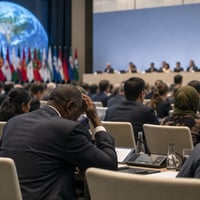
COP31 delegates in Antalya failed to reach consensus on a political climate agreement after negotiations extended beyond two weeks. Summit president Murat Kurum said no new draft would be advanced. Reported disputes included adaptation finance, fossil fuel language and the process for reviewing the Paris Agreement; the failure to agree did not remove existing climate commitments or frameworks.
If you read one thing
A detailed account of how the final draft changed, why countries rejected it and which issues—including fossil fuels and adaptation finance—remained unresolved.
Best explainer
Explains what the proposed Antalya Pact contained, why the objections blocked consensus and what separate decisions and voluntary initiatives still moved forward.
The evidence
Adds reporting on the disputed Paris Agreement review process and clarifies that the failed pact did not erase existing climate obligations or frameworks.
The proposed Antalya Pact was not adopted, and the summit presidency said it would not advance another draft without consensus. Some separate decisions and voluntary initiatives moved forward, but disputes over fossil fuels and adaptation finance remain unresolved; existing climate frameworks remain in place.
The summit closed without agreement on its main political text. President Murat Kurum said there was no consensus and no new text would be put forward.
The proposed text omitted an explicit call to transition away from fossil fuels, while a proposed adaptation-finance target was removed. The broader question of how to provide and measure adaptation support remains unsettled.
Some work continued outside the failed overarching pact: reports describe progress on just-transition measures and voluntary support for a 35-by-35 electrification goal. These did not amount to adoption of the main political agreement.
The failed pact did not remove previously agreed climate obligations or frameworks, including the Paris Agreement.
Two weeks of negotiations, followed by two days of overtime
COP31 ended without consensus after talks extended beyond their scheduled conclusion.
196 countries, plus the European Union
The summit brought representatives from 196 countries and the EU to Antalya; the proposed political decision was not adopted because delegates failed to reach consensus.
$120 billion per year by 2035
An early draft proposed tripling adaptation finance to at least this annual amount, but the target was removed from later text and was not agreed.
35% by 2035; around 80 countries backed the voluntary target
The target was to raise electricity’s share of global final energy consumption to 35%. It was advanced outside the failed overarching agreement.
More than 130 countries
These countries sought language calling for a transition away from fossil fuels, but the proposed final text omitted it.
Contested Issue
Whether the proposed pact should explicitly call for moving away from fossil fuels
The EU and several vulnerable-country delegations said they would not support a pact that omitted fossil-fuel transition language.
Saudi Arabia and Russia opposed formulations on fossil fuels, with Russia saying it could not agree to such language.
Whether adaptation finance required new, clearly specified commitments
Developing countries sought clearer funding amounts and delivery terms; the proposed $120 billion annual adaptation target was removed from later drafts.
EU Climate Commissioner Wopke Hoekstra urged negotiators to focus on implementing existing pledges rather than pursuing fresh climate-finance commitments.
Whether to accept the proposed pact despite its shortcomings
The EU and the Marshall Islands withheld support, describing the draft as unacceptable because of its omissions and weaknesses.
Pakistan urged delegates not to sacrifice the broader package, while Ghana said the African Group would not block consensus despite acknowledging shortcomings.
Coverage first captured the negotiations at an impasse, with the summit president saying no new draft would be advanced. Subsequent reports confirmed that delegates had left the proposed Antalya Pact without consensus and traced the breakdown chiefly to disagreements over fossil-fuel language and climate finance, including adaptation funding. Later analysis also distinguished the failed overarching political text from limited agreements and voluntary initiatives that continued, and noted that existing climate frameworks remained in place. By November 26, commentary was framing the outcome as a gap between prior commitments and implementation.
- 11-22-2026
Reporting from the summit described the negotiations ending without an overarching pact. A Reuters account reported that summit president Murat Kurum would not advance another draft without consensus; UN News reported the talks had concluded without agreement after disputes over fossil-fuel language.
- 11-23-2026
Follow-up coverage detailed the competing objections: some governments opposed a proposed text that omitted a transition away from fossil fuels, while developing countries also sought clearer adaptation-finance commitments. Reports noted that separate electrification efforts and other negotiated work continued despite the absence of a headline agreement.
- 11-24-2026
Analysis expanded on why the pact failed, describing the clash over fossil-fuel references and unresolved finance as central divides. Coverage also emphasized that the collapse of the overarching text did not mean every summit outcome failed, pointing to limited progress on other tracks and initiatives.
- 11-25-2026
Further reporting recapped the lack of consensus on the Antalya Pact and objections to its handling of climate science and fossil-fuel transition language. It also described smaller commitments and initiatives alongside the unresolved central agreement.
- 11-26-2026
A later commentary focused on the gap between climate promises and implementation, linking the failed cover decision to deadlock over fossil fuels and the difficulty of turning earlier commitments into working arrangements.