
 AI Governance
 Data Centers
 Drones
 Climate
 Privacy
 Bob Dylan

Climate: Featured Story
Coverage from News-Press NOW, Tribune Ledger News, and others
COP31 Electrification Goal Spurs Mining Safeguard Calls
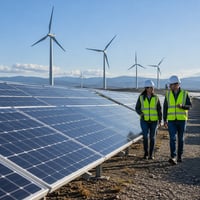
Turkey and Australia are advancing COP31’s 35-by-35 pledge, which aims to raise electricity’s share of global energy use from 21% to 35% by 2035. Environmental and human-rights groups warn that demand for minerals needed for electrification could increase pressure on ecosystems and affected communities, and more than 120 civil-society groups are calling for binding safeguards. The pledge does not require renewable electricity, while the International Energy Agency estimates expanded recycling could reduce the need for new mining by 25% to 40% by 2050.
If you read one thing
This master article explains the 35-by-35 pledge, the mining risks and safeguard demands, and recycling as a way to reduce new mining.
The pledge is being promoted, but the coverage reports calls for safeguards rather than adopted protections. The target does not require renewable electricity, and COP31 negotiations do not explicitly address critical minerals and mining.
The 35-by-35 pledge aims to increase electricity’s share of energy use to 35% by 2035, but does not require that the electricity come from renewable sources.
More than 120 civil-society groups have asked the COP31 presidencies for binding human-rights and environmental due diligence, ecosystem protections, and protections for Indigenous peoples; the coverage does not report that these safeguards have been adopted.
Rights experts say COP31’s official negotiations and main talking points do not explicitly address critical minerals and mining, leaving the treatment of those risks uncertain.
The IEA estimates that expanded recycling could reduce the need for new mining by 25% to 40% by 2050, while the article says many countries lack supporting waste programs or regulations.
21% to 35% by 2035
The 35-by-35 pledge aims to increase electricity’s share of global energy use from 21% to 35%; the pledge does not require that the electricity come from renewable sources.
Over 300 human-rights allegations in 2025; up 73% from the previous year
The Business & Human Rights Resource Centre recorded allegations linked to transition-mineral mining; the article does not specify the previous-year count.
Over 120 civil-society groups
Groups signing an open letter to the COP31 presidencies called for safeguards including binding human-rights and environmental due diligence and protections for Indigenous peoples.
25% to 40% by 2050
The International Energy Agency estimates that a successful scale-up of recycling could reduce the need for new mining by this amount.
Coverage introduced COP31’s 35-by-35 electrification pledge as a plan to increase electricity’s share of global energy use from 21% to 35% by 2035, while noting that it does not require renewable power. It then focused on concerns from environmental and human-rights groups that greater demand for transition minerals could worsen harm to ecosystems and communities, including Indigenous peoples. More than 120 civil-society groups called for binding safeguards and due diligence; the reporting also identified recycling as a way to reduce demand for new mining, while noting that COP31’s official negotiations did not explicitly address critical minerals and mining.