
 AI Governance
 Data Centers
 Drones
 Climate
 Privacy
 Bob Dylan

Climate: Featured Story
Coverage from ST, Afp, and others
COP31 Draft Calls for Faster Fossil Fuel Phaseout
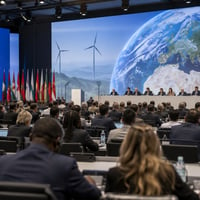
Australia released the first draft of a COP31 political decision in Antalya, proposing faster action to phase out fossil fuels, at least $120 billion in adaptation finance by 2035, and a 35% share for electricity in final energy demand by that year. The proposals remain subject to negotiations among nearly 200 countries, with divisions over fossil fuel language, funding obligations and how the measures would be implemented.
If you read one thing
A concise overview of the draft’s main proposals, the divisions around them and the need for approval by nearly 200 countries.
Best explainer
Details the adaptation-finance proposal, including calls for grants, delivery timelines and clearer obligations, alongside concerns about the funding gap.
The evidence
Adds reporting on the draft’s preparation and Australian context, and explains why campaigners say the fossil-fuel proposal lacks a clear roadmap.
The draft has put major climate and finance proposals before negotiators, but the final text and how measures would be implemented remain unresolved.
The draft calls for accelerated action to phase out fossil fuels, including an immediate transition away from them in energy systems. Fossil fuel language is highly contested, and campaigners say the proposal lacks a clear process for advancing the transition.
Other proposals include raising electricity’s share of final energy demand to 35% by 2035 and increasing adaptation finance to at least $120 billion by 2035. The funding proposal and its delivery remain under negotiation; climate advocates say the draft needs clearer obligations and timelines.
The text is an initial draft, and nearly 200 countries must approve the final decision. Australia’s negotiator Chris Bowen said some parties would not agree with elements of it and that talks would focus on finding common ground; coverage does not establish which proposals will survive.
At least US$120 billion by 2035
The draft proposes tripling adaptation finance for developing countries to at least this level by 2035; it remains a negotiating proposal, not an agreed commitment.
35% by 2035
The draft calls for electricity to reach 35% of global final energy demand by 2035. Campaigners criticized the proposal for not clearly specifying that the electricity should be renewable-powered.
18 pages; 144 provisions
The initial draft was an 18-page document containing 144 provisions, according to ABC; the text remains subject to negotiations.
160 countries; more than 500 pages of feedback
Chris Bowen said the draft was based on submissions from 160 countries and more than 500 pages of feedback.
Around US$305 billion a year by 2035
The draft cites this estimate of developing countries’ adaptation needs, drawing on the UN Environment Programme’s 2026 Adaptation Gap Report.
US$28 billion to US$32 billion in 2024
International public adaptation finance stood at this level in 2024, according to the figures reported by The Business Standard from the draft and cited report.
Net zero by 2030; net-negative emissions by 2040
The draft proposes these targets for developed countries; they are proposals in the initial negotiating text, not settled commitments.
Contested Issue
Whether the draft’s 35% electricity target by 2035 requires renewable power
350.org said the draft does not specify that the electricity increase should be powered by renewables.
The Business Standard reported that the draft links the target to renewable power, energy efficiency and stronger grids.
How climate finance should be organized and delivered
Developing-country coalitions were seeking explicit provisions on finance, access and accountability; advocates also called for public grants and clear delivery timelines.
Developed countries generally favored addressing finance within broader frameworks, with greater emphasis on multiple funding sources and domestic investment conditions.
Initial coverage presented Australia’s draft as a proposed package: faster fossil-fuel phaseout, a 35% electricity share in final energy demand by 2035, and at least $120 billion in adaptation finance. It stressed that nearly 200 countries would have to approve the text and that fossil-fuel language and funding obligations were divisive. Follow-up reporting added detail on the draft’s 144 provisions and its basis in submissions from 160 countries, while recording criticism that it lacked a clear route to implement the transition and that the finance proposal could fall short of developing-country needs. The proposals remained under negotiation, not an agreed decision.