
 AI Governance
 Data Centers
 Drones
 Climate
 Privacy
 2026 Maine Senate
 Bob Dylan

Climate: Featured Story
Coverage from Kashmir Observer, Edexlive, and others
Climate Change Cuts Into India’s Food Supply
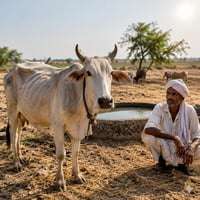
Climate Trends’ report, published November 4, 2026, describes climate and ecological pressures on India’s food system. It estimates annual milk-production losses of Rs 2,661 crore from heat stress, identifies significant extreme-weather exposure among livestock and crop-producing land, and cites a long-term association between warming and lower crop yields. The report recommends a broader resilience approach, including soil and water conservation, crop diversification, improved farm-to-market services, and adaptation finance for smallholders.
If you read one thing
It provides a concise overview of the report’s central food-system risks, key estimates, and proposed resilience measures.
Best explainer
It adds crop-specific projections and detail on adaptation-finance needs and the report’s recommendations.
The evidence
It focuses on post-harvest losses, limited cold-chain coverage, and how supply disruptions may connect to food prices.
Coverage establishes a range of reported risks and proposed responses, but does not show whether the recommended measures have been adopted or what effects they may have.
The report estimates that heat stress costs India ₹2,661 crore in annual milk-production losses, while about 40% of livestock is vulnerable to extreme weather and 45% of crop-producing land faces significant flood risk.
Research cited in the report associates a 1°C temperature rise over five decades with an approximately 8% decline in average all-crop yields. Coverage also describes substantial post-harvest losses and limited cold-chain access, adding supply-chain risks to pressures on production.
The report calls for soil and water conservation, crop diversification, better storage and market services, and adaptation finance for smallholders. These are recommendations; the coverage does not establish their implementation. Hindustan Times reports a large gap between estimated small-farmer adaptation-finance needs in South Asia and funds available.
Rs 2,661 crore annually
Climate Trends estimates heat stress causes this loss in India’s milk production.
Approximately 1.8 million tonnes of milk annually
Estimated heat-related reduction in milk production, equivalent to about 2% of national output, according to the report.
About 40% of India’s livestock population
The report estimates this share is vulnerable to extreme-weather events.
45% of crop-producing land
The report says this share is in areas exposed to significant flood risk.
Approximately 8% decline in average all-crop yields per 1°C temperature rise
Research cited by the report associates this decline with warming over the past five decades; the estimate is for national average yields across crops.
More than 20 million hectares, or over 14% of India’s total sown area
Indian PSU and Business Today report that this agricultural land has been affected by extreme weather events.
Only 4% of India’s fresh produce
Reported share covered by cold-chain facilities, in coverage of the report’s food-system risks.
$13 billion annually
Estimated food losses attributed to inadequate cold-chain infrastructure in coverage of the report.
Initial coverage on November 4 reported Climate Trends’ central findings: estimated heat-related milk losses, livestock and crop-land exposure to extreme weather, and an association between warming and lower average crop yields. A November 5 Hindustan Times article broadened the account with crop-specific projections, post-harvest losses, inflation effects and the reported gap in small-farmer adaptation finance. Business Today’s November 6 coverage emphasized cold-chain shortfalls and how food losses and weather risks could add pressure to prices and household budgets. Articles published November 8 revisited the report’s core figures and recommendations, including soil and water conservation, crop diversification, storage, market access and adaptation finance.
- 11-04-2026
Coverage presented Climate Trends’ report and its estimates of heat-related milk-production losses, livestock vulnerability and flood exposure for crop-producing land, alongside research linking warming with lower average crop yields.
- 11-05-2026
Hindustan Times added detail on projected effects for particular crops, post-harvest losses and food inflation, and reported the paper’s estimate of a substantial shortfall in adaptation finance for small farmers.
- 11-06-2026
Business Today focused on inadequate cold-chain capacity and estimated food losses, connecting these supply-chain vulnerabilities with extreme weather, food prices and pressure on household budgets.
- 11-08-2026
Further coverage returned to the report’s headline agricultural risk estimates and adaptation proposals, including soil and water conservation, crop diversification, stronger storage and market access, and finance for smallholders.