
 AI Governance
 Data Centers
 Drones
 Climate
 Privacy
 2026 Maine Senate
 Bob Dylan

Climate: Featured Story
Coverage from Corsicana Daily Sun, Daily Progress Jacksonville, TX, and others
Australia Approves Seabed Site for Carbon Storage
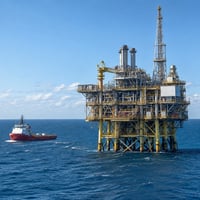
Australia has designated an offshore site in the Timor Sea for a carbon storage project led by Japan’s Inpex, with stated capacity of up to 443 million metric tons over 35 years. The project still requires environmental assessment and additional government licenses before a final decision or CO2 injection. Supporters cite emissions reductions for hard-to-abate industries, while conservation groups warn of potential effects on marine habitats and wildlife.
If you read one thing
Explains the West Peron proposal, what approvals remain, and the competing claims about climate benefits and marine impacts.
The project remains subject to environmental assessment and further government licenses. Its potential climate benefits and marine impacts are both under debate; the coverage does not establish that injection has begun or resolve those concerns.
Inpex is conducting environmental impact assessments and must secure additional government licenses before a final decision and CO2 injection. The proposed site is the West Peron deep saline aquifer, with the nearby Ichthys LNG facility identified as the primary prospective customer.
Australian officials and CCS proponents describe the project as a way to reduce emissions from hard-to-abate industries. Critics argue CCS could prolong fossil-fuel use rather than drive a phase-down.
Conservation groups warn that construction, added marine traffic and repeated underwater monitoring could affect habitats and threatened or migratory species, including dugongs, turtles and seabirds. These are concerns about potential impacts; the coverage does not report that project-related harm has occurred.
Up to 443 million metric tons (488 million tons) of CO₂ over 35 years
Inpex says the West Peron site could permanently store this amount; the project still requires environmental assessment and additional government licenses before CO₂ injection begins.
260 kilometers (162 miles) offshore
The proposed project would extend from Darwin into the Timor Sea, according to the Associated Press report.
Up to 1.2 kilometers (three-quarters of a mile)
An Australian Marine Conservation Society campaigner said plankton have been shown to die this far from seismic impulses; this was cited as a potential impact of repeated underwater monitoring surveys.
Less than 5% by 2050
The International Energy Agency’s net-zero emissions scenario forecasts this share of emissions reductions will come from carbon capture, utilization and storage.
60% by 2035 and 73% by 2040, from 2013 levels
Japan’s stated targets for reducing carbon emissions, included as context for the country’s support of carbon capture and storage.
Contested Issue
Whether carbon capture and storage is a useful climate-mitigation tool or risks prolonging fossil-fuel use and delaying emissions cuts
Australian Resources Minister Madeleine King said CCS would play an important role in reducing emissions from hard-to-abate industries and supporting Australia’s transition to net zero.
Australian Marine Conservation Society campaigner Chelsea Deng characterized CCS as a greenwashing tactic that could enable continued pollution instead of phasing down fossil fuels.
Coverage presented Australia’s designation of the West Peron site as an initial step, not authorization to begin carbon injection: Inpex still needs to complete environmental assessments and secure further government licenses. Reporting added that the proposed Timor Sea project could store up to 443 million metric tons of CO₂ over 35 years, with the Ichthys LNG facility identified as an initial source. It also set out the dispute around the plan: supporters, including the Australian government, cite potential emissions cuts in hard-to-abate industries, while conservation groups warn that construction, vessel traffic and monitoring could affect marine habitats and threatened wildlife; critics also argue CCS could prolong fossil-fuel use.