
 AI Governance
 Data Centers
 Drones
 Climate
 Privacy
 Bob Dylan

Climate: Featured Story
Coverage from Climate Change Committee, Journalarta, and others
Climate Committee Warns Against Weakening ZEV Mandate
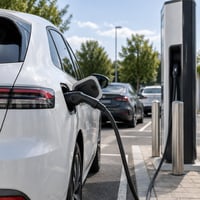
The UK Climate Change Committee has urged the Government not to weaken the Zero-Emission Vehicle mandate during its review, warning that lower targets could make legally binding climate goals harder and more expensive to meet. The committee cites potential increases in oil use and household costs, while industry groups argue that current requirements impose significant costs and seek changes. The Government says its review will retain commitments to phase out new petrol and diesel cars by 2030 and reach zero-emission new car and van sales by 2035; no final decision is reported.
If you read one thing
The committee’s own account sets out its case against weakening the mandate, including projected oil use, household savings and carbon-budget implications.
Best explainer
Adds the Government’s stated commitments and the car industry’s counterargument, while reporting the potential emissions consequences of weaker rules.
The evidence
Details the SMMT’s objection to the mandate and provides reported sales figures and compliance-flexibility context.
The Government is reviewing the mandate, but coverage reports no final decision. It says the review will retain the commitments to phase out new petrol and diesel cars by 2030 and reach zero-emission new car and van sales by 2035.
The CCC says weakening the mandate could add 15 million barrels of oil use annually by 2030, make the Sixth Carbon Budget harder and more expensive to meet, and forgo potential household savings of about £800 a year.
The Society of Motor Manufacturers and Traders disputes the case for retaining current rules, arguing that the targets bring heavy costs and that manufacturers cannot subsidise the transition indefinitely.
The Government says its consultation will take a pragmatic approach without changing its 2030 and 2035 phaseout and zero-emission sales commitments; reporting says no decision on the mandate has been made.
15 million barrels of oil per year by 2030
The Climate Change Committee says lowering the headline ZEV targets could increase UK fuel use by this amount; it estimates the additional oil would cost over £1 billion a year at current prices.
Around £800 a year
The CCC estimates a typical household could save this much by switching to an electric car; the estimate is presented as typical, not as a guaranteed saving for every household.
8.4 million tonnes of CO₂ a year by the next decade
The Guardian reports this as the potential additional annual emissions if more petrol and diesel cars and vans are allowed to be sold under weakened rules.
Almost 9% more toxic emissions and £561 million in additional health costs
UK100 cites independent modelling for the Clean Air Fund estimating these effects if the 2030 target were cut from 80% to 60%.
32% of the market in October, versus a 25% requirement after flexibilities
New AutoMotive said electric cars reached 32% of the market in October, above the share manufacturers needed to meet that year’s mandate once compliance flexibilities were counted.
Contested Issue
Whether the ZEV mandate supports or undermines the UK car industry and its investment
The Climate Change Committee says the mandate provides certainty that supports investment, jobs and the competitiveness of UK vehicle manufacturing, and argues that weakening it risks undermining those benefits.
The Society of Motor Manufacturers and Traders argues that meeting the targets requires unsustainable discounts and government incentives, and says the mandate deters local investment by weakening the case for building cars in the UK.
Coverage first previewed an impending Climate Change Committee intervention, framing the ZEV mandate as consequential for both the car industry and household costs. When the committee’s warning was reported, it argued that weakening the mandate could increase oil use, jeopardise climate targets and reduce potential household savings. Reporting also captured a counterargument from the Society of Motor Manufacturers and Traders that the targets impose unsustainable costs and may deter domestic investment. The Government said its consultation would preserve its commitments on phasing out new petrol and diesel cars and reaching zero-emission new car and van sales, while reporting said no final decision had been made.