
 AI Governance
 Data Centers
 Drones
 Climate
 Privacy
 Bob Dylan

Climate Quick Briefing
2026-11-24
Climate Delivery Remains Constrained as International Talks Stall
of Play
The prior picture of implementation and finance constraints persists. New reporting clarifies the procedural reach of the COP31 impasse, while Australia’s proposed contracts offer a practical but untested response to clean-power investment risk. The central uncertainty is whether negotiation, financing and infrastructure measures translate into deployable capacity and effective protection.
What's New?
International climate cooperation faces a delivery gap
Reporting after COP31 points to stalled negotiations on emissions cuts and no progress on finance for developing countries’ transitions and disaster response. These reports do not establish that earlier fossil-fuel commitments were reversed.
Clean-power investment remains constrained by delivery infrastructure
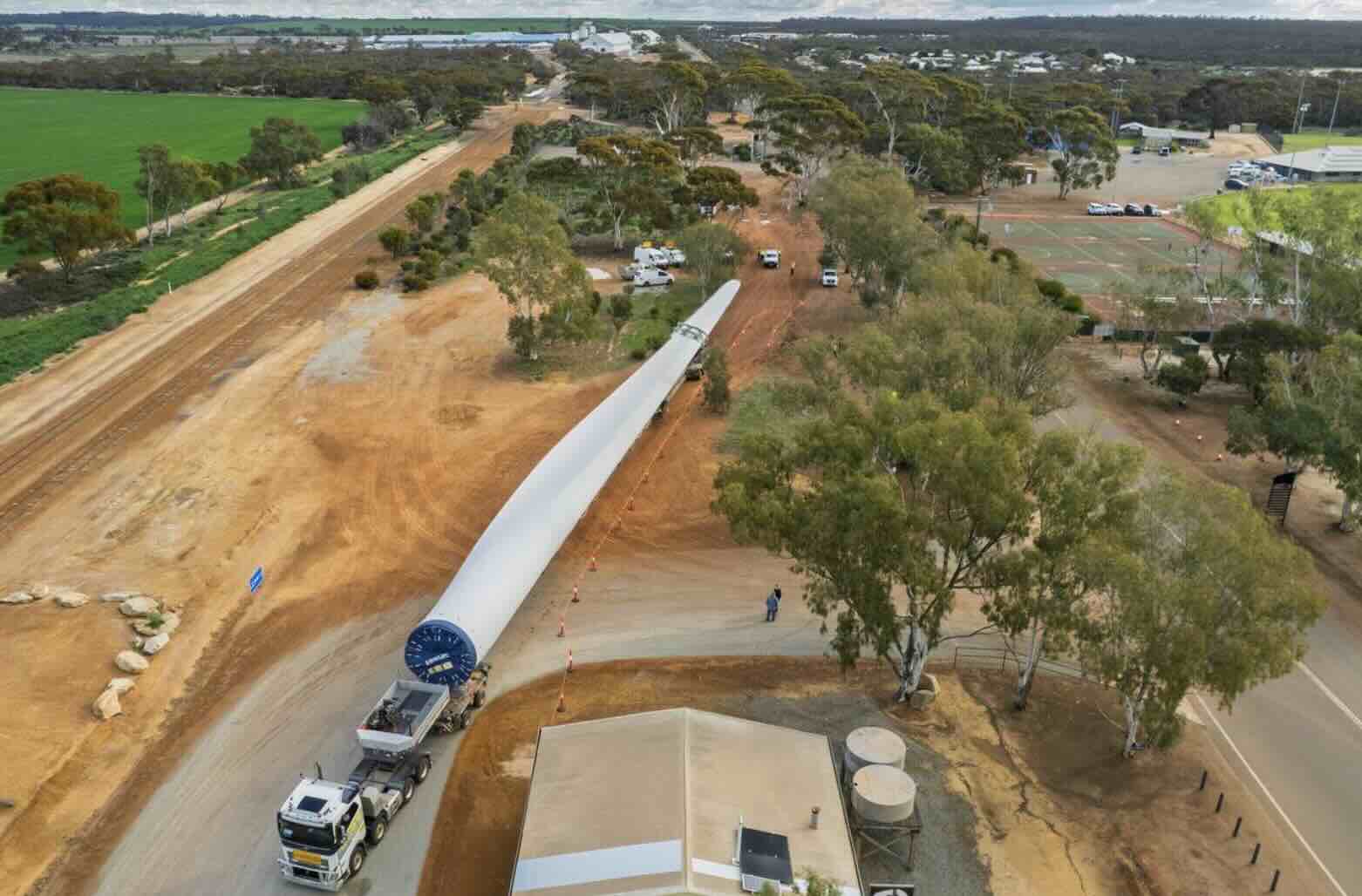
Australia’s proposed contracts address investment risk for renewables, storage and firming, but planning and transmission remain barriers. Separately, limited hydrogen pipeline capacity and safety concerns constrain a potential low-carbon power option in the United States.
Adaptation costs and protection remain uneven
Older reporting indicates that California wildfire mitigation is largely funded by ratepayers and that insurance burdens fall unevenly on Black and Hispanic communities. It does not establish whether protection is adequate or whether these disparities have recently widened.
What's Changed?
COP31’s reported consequences extend beyond the failed political text
The prior assessment already recorded the failure to reach an overarching decision. Subsequent reporting adds that a proposed emissions decision was blocked and a mountain-climate work program failed, although previously agreed mountain dialogues will proceed without a new financing mechanism.
Australian working groups settle on proposed power-contract designs
Working groups agreed on three designs for generation, storage and firming tenders. This advances a potential response to revenue uncertainty, but the designs are proposals—not evidence that tenders have been implemented or capacity built.
What Matters?
The COP impasse narrows avenues for coordinated action
The reported loss of a dedicated mitigation negotiating process and failure of a mountain work program make the impasse more consequential than the absence of a headline declaration alone. With finance also reportedly stalled, vulnerable countries have less reason to expect immediate new international support from this meeting.
Better project revenues would not by themselves solve grid bottlenecks
The Australian designs target bankability as coal plants age, strengthening the case that contract structure matters for deployment. Their effect on emissions will still depend on adoption, construction, transmission and the generation ultimately displaced.
What's Next?
Watch for a replacement mitigation process and usable climate finance
A renewed mitigation work program at COP32 or concrete financing commitments would materially change the post-COP assessment. The outcome of the previously tracked electrification proposal also remains unverified.
Test whether Australian contract designs lead to built capacity
Watch whether governments adopt the designs and whether tenders produce financed projects alongside planning and transmission progress. Adoption without delivery would leave the existing infrastructure constraint largely intact.
Track adaptation effectiveness as well as who pays
The existing protection watchpoint remains unresolved: evidence on wildfire risk reduction, insurance availability and affordability would show whether spending is translating into accessible protection rather than merely shifting costs.