
 AI Governance
 Data Centers
 Drones
 Climate
 Privacy
 Bob Dylan

Climate Quick Briefing
2026-11-22
Climate Delivery Constraints Persist as COP31 Divisions Deepen
of Play
The climate picture remains shaped by the gap between ambitions and delivery: clean-power benefits depend on infrastructure and fossil displacement, while vulnerable countries face substantial recovery needs. The clearest daily change is COP31’s extension without agreement, with both fossil-fuel and electrification language contested. The final diplomatic outcome and the delivery of practical finance remain unresolved.
What's New?
Climate negotiations remain divided over both emissions and finance
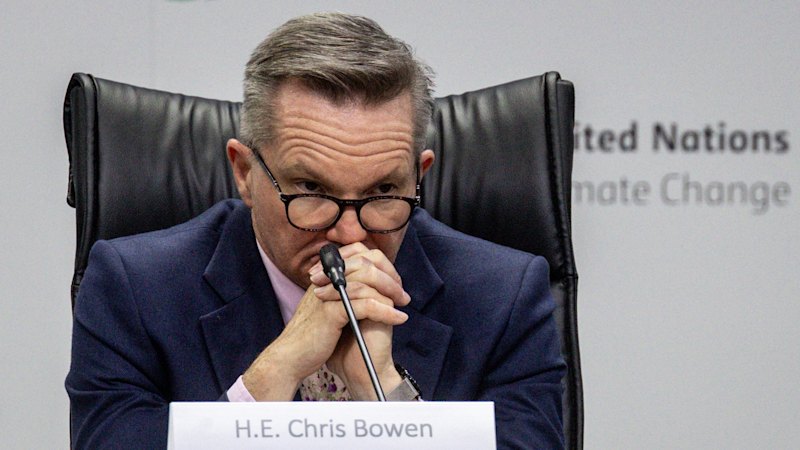
COP31 remains deadlocked over fossil-fuel language, electrification and climate finance. China supports developing-country finance demands but opposes specific fossil-fuel phaseout targets.

Clean-power expansion depends on grid delivery
The prior assessment’s central infrastructure constraint remains relevant: electrification’s emissions benefit depends on delivering clean power and displacing fossil fuels. India and Southeast Asia remain important contexts for tracking that relationship, although the available evidence does not establish a new deployment trend.


Disaster recovery and protection face financing pressure
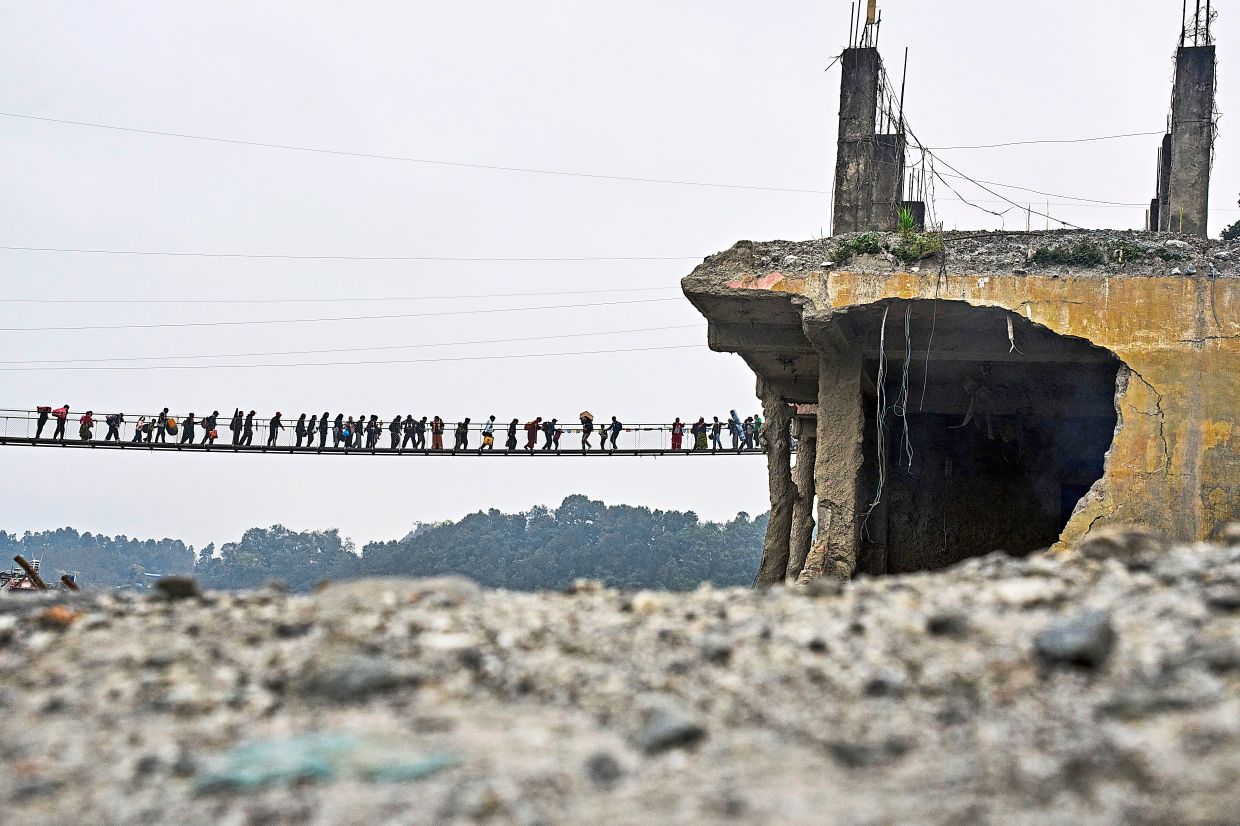
Nepal’s estimated $5 billion in rebuilding costs after a glacier collapse and floods illustrates the scale of recovery needs. The Loss and Damage Fund committed $21.6 million; other aid and financing were also pledged or sought, so that comparison is not a complete accounting of support.

What's Changed?
COP31 moved past its deadline without agreement
The prior assessment left the draft’s final status unresolved. Talks have since continued beyond their scheduled conclusion, with opposition not only to fossil-fuel language but also to the proposed 35% electrification target for 2035. A final outcome remains unverified.
A new case sharpens the climate-finance delivery question
Reporting on Nepal adds a concrete disaster-recovery example to the previously identified finance-access problem. It does not establish a new global funding trend or show how much of Nepal’s total need will ultimately be met.
What Matters?
Electrification language alone would not settle the fossil-fuel question
The dispute now encompasses both an electrification target and explicit fossil-fuel language. Even if an electricity-share goal survives, its climate effect would depend on clean generation and the fuels displaced; the current reporting does not establish either outcome.
Finance disputes complicate recovery for vulnerable countries
Nepal’s recovery needs illustrate why disagreements over who contributes to and receives climate support matter in practice. The evidence strengthens the prior concern about finance access, but does not establish that all other financing channels have failed.
What's Next?
Check the final COP31 outcome
The existing draft-status watchpoint remains unresolved. Watch whether a final agreement retains the electrification target, includes fossil-fuel language and specifies finance commitments—or whether talks are suspended without consensus.
Track finance from commitment to recovery
Watch whether Nepal secures and receives additional recovery funding, and on what terms. Delivery relative to rebuilding needs would clarify the existing question of whether vulnerable countries can access finance at the required scale.
Watch whether grids enable fossil-fuel displacement
The prior firm-power watchpoint remains open. Evidence that grid capacity and clean generation keep pace with demand—and reduce reliance on fossil power—would strengthen the case that electrification is delivering durable emissions cuts.