
 AI Governance
 Data Centers
 Drones
 Climate
 Privacy
 Bob Dylan

Climate Quick Briefing
2026-11-17
Climate Delivery Constraints Persist as Policy Outcomes Remain Uncertain
of Play
The prior picture remains broadly intact: clean-energy ambitions and adaptation needs face infrastructure, financing and affordability tests. New reporting sharpens the permitting trade-off and raises a data-center emissions-accounting question, but does not establish a major policy or deployment shift. Whether projects deliver reliable emissions reductions and adaptation delivers affordable protection remains more consequential than announced ambitions.
What's New?
Clean-energy delivery remains constrained by supporting infrastructure
India’s planned 92 GWh storage programme covers only part of a projected 411 GWh requirement by 2031–32. In the United States, limited dedicated hydrogen pipelines and concerns about blending constrain another potential power-sector pathway. Neither condition is new in this assessment.
Adaptation faces both funding and affordability pressures
International adaptation finance remains below estimated needs, while California’s wildfire mitigation costs are largely recovered from ratepayers. Existing evidence also points to unequal insurance burdens; spending alone does not establish whether protection is adequate or affordable.

U.S. climate-policy outcomes remain unsettled
The previously assessed power-plant rollback and climate-liability questions remain important, but the current packet does not establish the operative status of the rollback or the liability case. A separate federal permitting proposal could change review requirements, but enactment is not established.


What's Changed?
Permitting debate exposes a concrete clean-energy trade-off
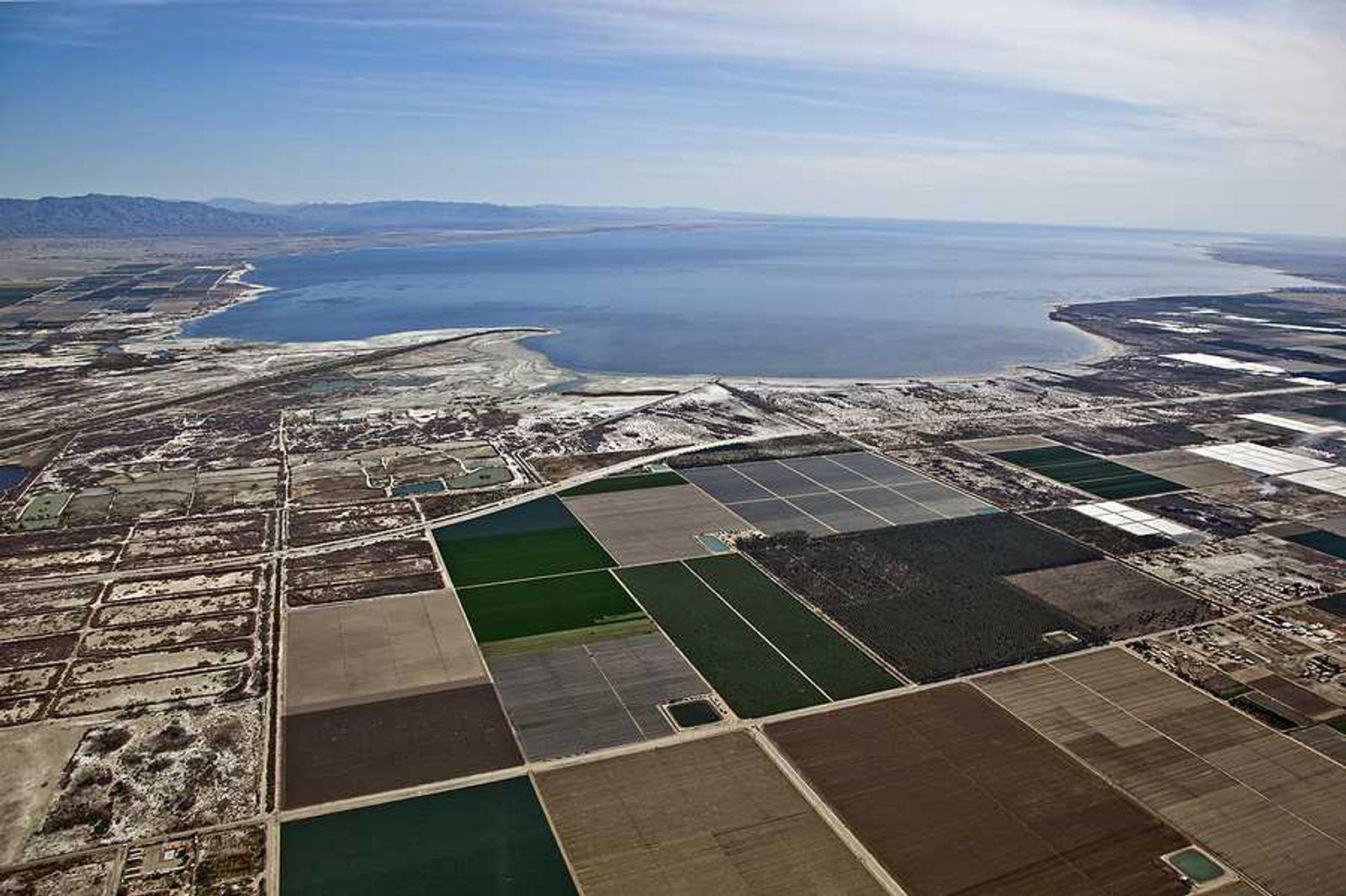
New reporting describes Senate consideration of a proposal to shorten federal environmental reviews and constrain later permit changes. Around the Salton Sea, it could accelerate geothermal and lithium projects while narrowing community participation and oversight. The evidence does not establish that the bill passed or that requirements changed.
Data-center emissions accounting faces a new qualification
A reported critique says a Harvard-led study omits some on-site gas generation, unverified facilities and non-electric emissions. That raises a reason to treat its estimate cautiously, but the supplied evidence does not quantify the potential undercount.
What Matters?
Capacity targets are not equivalent to reliable fossil displacement
The prior assessment’s delivery concern remains intact: India’s storage target addresses only part of projected need, while U.S. hydrogen deployment faces transport constraints. Actual operation and power-system effects, rather than announced capacity alone, remain the decisive tests.
Faster permitting could shift environmental and participation risks
The Salton Sea case makes the delivery trade-off more concrete: shorter reviews could help projects proceed while reducing opportunities to address local water, health and consultation concerns. Those consequences remain contingent on the bill’s final provisions and implementation.
Adaptation success depends on who pays and what protection delivers
The existing assessment is unchanged: higher mitigation spending or calls for finance do not by themselves demonstrate reduced risk. Ratepayer recovery and insurance disparities make household affordability an important test alongside physical protection.
What's Next?
Test storage delivery against reliability and coal displacement
The existing India watchpoint remains unresolved. Watch whether projects are built and operate reliably, whether additional storage closes the projected gap, and whether operation reduces coal use rather than merely adding announced capacity.
Track adaptation outcomes and accessible finance
Watch whether COP31 produces usable funding commitments and whether wildfire mitigation demonstrably reduces risk without worsening affordability. Neither existing watchpoint is resolved by the current evidence.
Resolve U.S. policy and legal status
Watch whether the permitting proposal becomes law and what safeguards survive. Separately, confirmation of the power-plant rollback’s operative status and the climate-liability case’s procedural posture would resolve important gaps in the prior assessment.