AI Governance
 Data Centers
 Drones
 Climate
 Privacy
 Bob Dylan

Climate Quick Briefing
2026-11-07
Clean-Energy Growth Faces Delivery Limits as Climate Risks Persist
of Play
The prior assessment’s central distinction between announced capacity and delivered climate outcomes is better supported by a reported sharp rise in grid-connection backlogs. A potentially exceptional El Niño forecast adds near-term uncertainty, while adaptation costs and policy implementation remain practical constraints. Neither the renewable forecasts nor the El Niño projections establish their eventual outcomes.
What's New?
Clean-power growth remains constrained by delivery
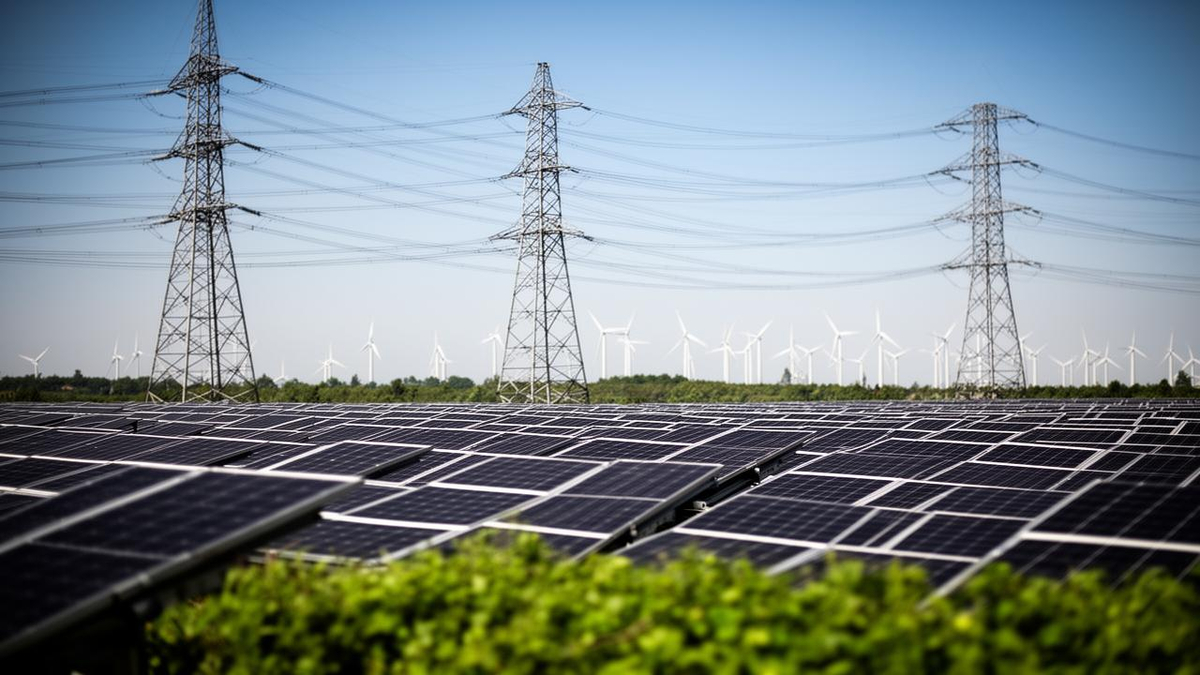
Renewable expansion is substantial, but grid connections, storage and financing determine how much capacity becomes usable generation. The constraint remains relevant in India and Southeast Asia; new reporting provides a stronger global measure of the connection backlog.


Climate-risk costs are already being allocated
California’s wildfire-liability system has placed substantial mitigation costs on utility customers. Insurance disparities also show that households face uneven financial exposure. These costs do not by themselves establish whether mitigation is effective or explain the entirety of insurance disparities.
US clean-energy policy faces an implementation test
A new analysis reports limited delivery through several federal clean-energy channels and argues that insufficient state partnership contributed. This is evidence of execution constraints, not proof of a new policy reversal or a measured emissions effect.
What's Changed?
The grid bottleneck is better quantified
Compared with the prior assessment’s qualitative delivery constraint, reporting on the IEA outlook says capacity awaiting grid connection rose 60% over a year, to four times the wind and solar capacity connected. The IEA also projects India’s renewable capacity at roughly 530 GW by 2030; this is a forecast, not evidence that the connections or generation have been delivered.
Forecasts indicate a potentially exceptional El Niño
Carbon Brief’s analysis of 14 models projects the Niño3.4 temperature anomaly peaking near 4°C, with most models placing the peak in December. The projected magnitude exceeds the reported 2015–16 record, but remains a forecast rather than an observed outcome.

What Matters?
Capacity forecasts are not emissions outcomes
The growing queue strengthens the prior assessment that connection and integration can limit the climate value of renewable investment. Even if projected additions materialize, their effect on emissions depends on usable generation and fossil-fuel displacement.
Adaptation must be judged by outcomes and cost allocation
California’s ratepayer-funded wildfire spending reinforces the prior distinction between paying for risk reduction and demonstrating harm avoided. The distribution of costs matters, but expenditure alone cannot establish resilience or cost-effectiveness.
What's Next?
Test whether connections translate into fossil displacement
Continue the existing watch on commissioned connections, storage and usable generation, particularly in India. Falling queues and generation growth that displaces fossil power would strengthen the transition outlook; persistent delays would weaken it.
Check whether the projected El Niño peak materializes
Watch subsequent observations and forecast revisions against the projected December peak. Confirmation would materially increase confidence in the exceptional-event assessment; a weaker peak would narrow it.
Clarify the climate-liability case’s procedural status
The existing question over state-law climate damages and federal preemption remains unresolved in the supplied evidence. A verified court action and its scope would change the assessment of potential liability pathways.