
 AI Governance
 Data Centers
 Drones
 Climate
 Privacy
 Bob Dylan

Climate Quick Briefing
2026-11-04
Political Leverage Shifts, but Climate Delivery Constraints Persist
of Play
Reported U.S. election results change the setting for federal energy oversight and Georgia utility regulation, but have not yet produced demonstrated policy or emissions outcomes. The broader assessment remains that climate progress depends on translating political and investment ambitions into usable clean power and affordable protection from physical risks. Grid delivery, regulatory decisions and legal durability remain decisive uncertainties.
What's New?
Clean-power outcomes remain constrained by delivery
Grid integration remains a central challenge in India. In the U.S. Northeast, utilities also report transmission constraints and rising large-load demand. New infrastructure or capacity announcements alone do not establish fossil-fuel displacement or emissions reductions.


Physical-risk responses carry significant household costs
Adaptation remains a question of both protection and affordability. Earlier reporting identified substantial ratepayer-funded wildfire mitigation in California and coastal exposure affecting lower-income households and municipal finances in Plymouth. Neither example establishes how effectively spending reduces harm.
U.S. climate-policy durability remains contested
New political control creates opportunities for different energy priorities, while the scope for state climate-damages claims remains an unresolved legal question. The current packet does not establish a new ruling or enacted federal policy reversal.

What's Changed?
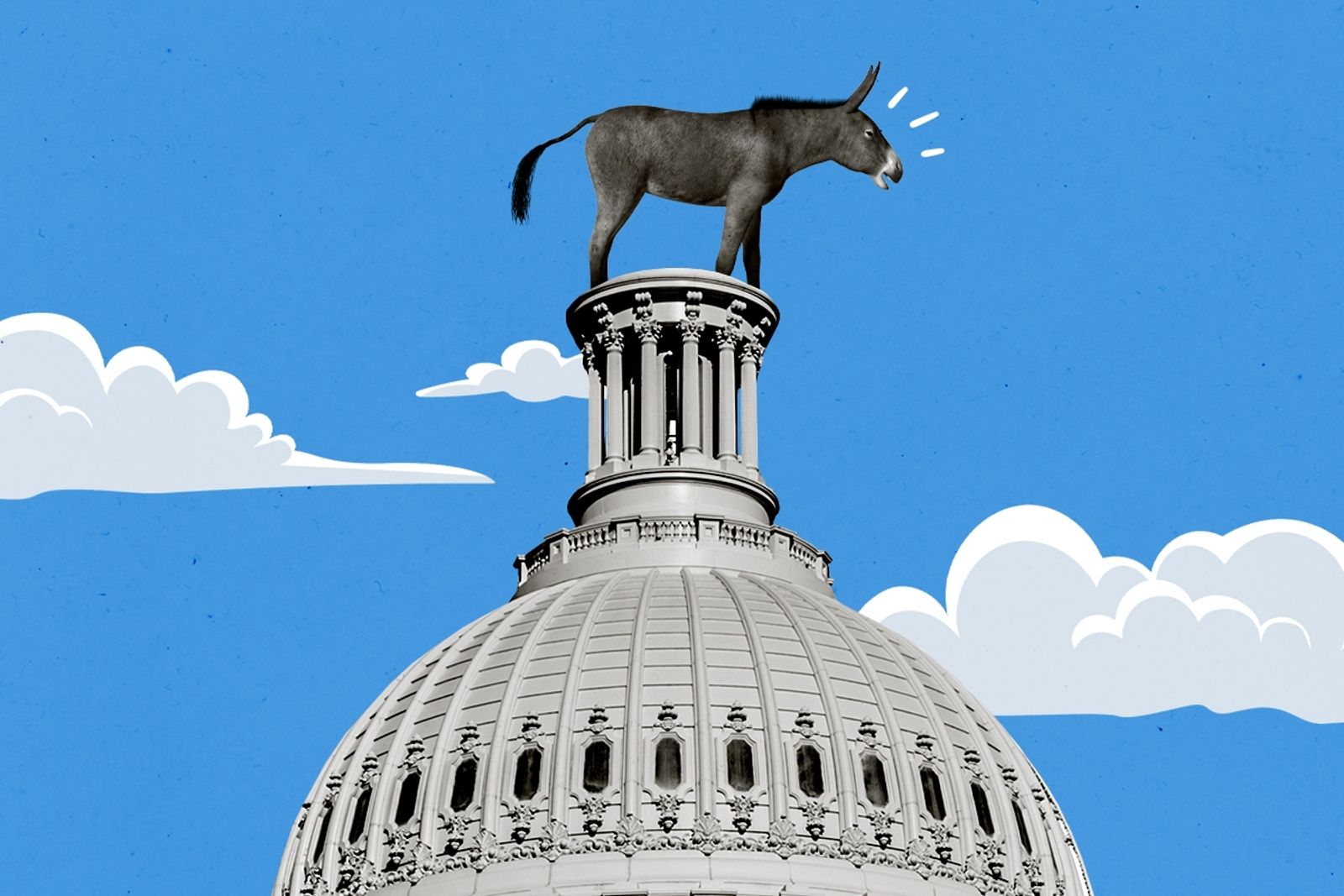
Democrats reportedly retake the U.S. House
The reported election result changes the political setting for the next Congress. Democrats are expected to pursue renewable-energy tax credits and scrutiny of administration energy actions, but the reporting does not establish that those proposals will become law.
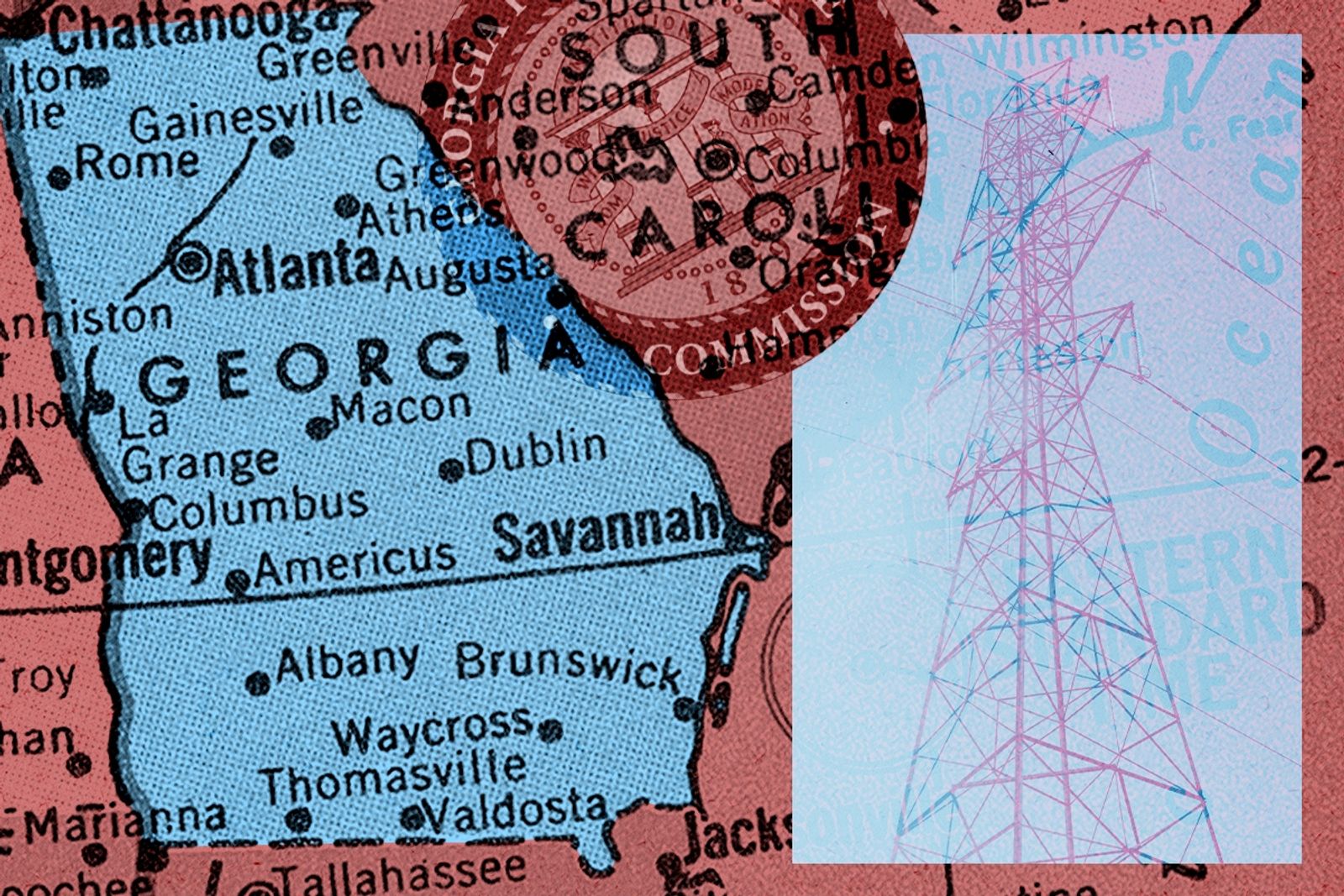
Georgia’s utility regulator shifts to Democratic control
Two reported election wins give Democrats a 3–2 majority on the Public Service Commission. The candidates emphasized electricity bills, clean energy and data-center power costs; changes to regulatory decisions remain to be demonstrated.
What Matters?
Political shifts change leverage, not yet emissions
The House result opens a potential avenue for oversight and efforts to restore incentives, while Georgia’s new majority could influence utility oversight. These shifts modify the prior policy-durability assessment but do not demonstrate enacted incentives, different power procurement or lower emissions.
Affordability links climate response to implementation
The Georgia election’s focus on bills, alongside California’s wildfire-mitigation cost recovery, reinforces the prior assessment that clean-energy and adaptation measures must be judged by who pays as well as what they deliver. Cost pressures can shape the choices available to regulators and households.
What's Next?
Test whether political control changes actual decisions
Watch whether House oversight or tax-credit proposals lead to enforceable changes, and whether Georgia’s new commissioners alter decisions on power supply, bills or data-center costs. Outcomes, rather than campaign priorities, will determine the climate effect.
Track connections, usable power and displacement
The existing grid-delivery watch remains unresolved. Evidence that integration investments yield commissioned connections and usable generation—and ultimately displace fossil power—would strengthen the case that infrastructure constraints are easing.
Clarify the scope for state climate-damages claims
The previously identified Boulder litigation question remains unresolved in this packet. Watch for verified Supreme Court action and its treatment of federal preemption; a broad or narrow ruling would change the outlook for state-law claims.