
 AI Governance
 Data Centers
 Drones
 Climate
 Privacy
 Bob Dylan

AI Governance: Featured Story
Coverage from AP News, Pbs, and others
Jensen Huang Resigns as Nvidia CEO
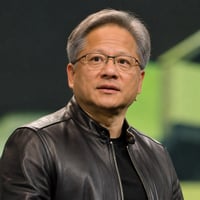
Nvidia says co-founder Jensen Huang has resigned as CEO effective immediately, with CFO Colette Kress serving as interim chief executive while the board considers permanent candidates. The departure follows reports involving Huang's personal relationships and unresolved allegations of a foreign intelligence effort; Nvidia says its review has found no reason to believe company secrets or national security were compromised. The episode has renewed calls for investigation and scrutiny of alleged chip shipments to China through Singapore-based Megaspeed International.
If you read one thing
The AP report gives a broad account of the resignation, interim leadership, investigations, and renewed scrutiny of alleged chip shipments to China.
The evidence
It captures the immediate market reaction and contrasting analyst views on Huang’s departure and Nvidia’s prospects.
The leadership change is in effect, but Nvidia has not named a permanent successor. The internal review and calls for further investigation continue, while the available coverage does not establish that secrets were compromised or that chips were diverted to China.
Kress is serving as interim CEO as Nvidia considers internal and external candidates for a permanent successor.
Nvidia has said its review found no reason to believe company secrets or national security were compromised. U.S. lawmakers have called for further investigation, and reporting says the status of a possible FBI probe is unclear.
Allegations concerning chip shipments to China through Singapore-based Megaspeed have renewed export-control scrutiny, but the coverage does not establish that a diversion occurred. Megaspeed says it takes U.S. export-control compliance seriously.
The business and wider AI-sector effects remain uncertain: analysts cited in coverage differ on whether Nvidia can maintain momentum without Huang and on his influence beyond the company.
2013
Nvidia CFO Colette Kress has held her CFO and executive vice president roles since 2013, according to the AP account.
1993
Jensen Huang co-founded Nvidia in 1993, the AP account reports.
33 years
Kress described the foundation Huang created as built over 33 years in her statement about becoming interim CEO.
10%
Business Insider reported Nvidia shares fell another 10% during Thursday trading, reaching a low of $148.80; this is an intraday report, not a closing loss.
About 5%
The AP reported Nvidia shares were down about 5% as of midday Thursday, after falling more earlier in the session.
As many as 90%
AOL reported that Nvidia manufactures as many as 90% of the most advanced semiconductors; the article presents this as an estimate, not a confirmed company figure.
$500 billion
AOL reported that Huang helmed a proposed $500 billion AI-infrastructure funding push; this is a reported funding effort, not an amount Nvidia itself is said to have invested.
Billions of dollars’ worth
The Epoch Times described questions about whether advanced AI chips worth billions of dollars were diverted to China, while noting that the account does not establish that any diversion occurred.
Contested Issue
Whether Alice Huang passed information to Beijing as part of a foreign intelligence effort
U.S. intelligence reportedly determined that Alice Huang was feeding information directly to Beijing.
China rejected the spying allegations, calling them unsubstantiated and a smear campaign.
Whether advanced Nvidia chips were illicitly shipped to China through Singapore-based Megaspeed International
Megaspeed was accused of illicitly shipping advanced Nvidia chips into China.
Megaspeed said there was no evidence of such exports and stated that it takes its U.S. export-control obligations seriously.
How Huang's departure could affect Nvidia and the wider AI business
Some investors and analysts said Nvidia's chip demand, orders and earnings outlook could remain strong, with the departure not materially changing its business prospects in the short term.
Ben Barringer warned that Huang's absence could harm the wider AI ecosystem over the longer term, given his influence on AI regulation, investment and financing.
Coverage first described reports about Huang’s personal relationships and the national-security concerns surrounding Alice Huang, alongside Nvidia’s statement that its review gave it no reason to believe company secrets or national security had been compromised. It then reported Huang’s immediate resignation and Colette Kress’s appointment as interim CEO, while noting that the board was considering permanent candidates. Follow-up coverage broadened the story to the unresolved inquiries, calls from lawmakers for further investigation, and renewed scrutiny of alleged chip shipments to China through Megaspeed International. Market-focused reports also differed on the likely consequences: some saw Nvidia’s business and chip demand as resilient, while others warned that Huang’s departure could weaken his influence over the wider AI industry. The reporting did not establish that chip diversion or a security breach had occurred.
Articles in this story are part of a shaping these topics.