
 AI Governance
 Data Centers
 Drones
 Climate
 Privacy
 2026 Maine Senate
 Bob Dylan

AI Governance Quick Briefing
2026-10-28
AI Oversight Remains Fragmented as Practical Enforcement Lags
of Play
The established picture remains one of uneven, jurisdiction-specific oversight rather than a common enforcement model. New reporting clarifies how existing EU rules may apply to AI agents and exposes scrutiny of UK asylum tools, but neither establishes a new binding precedent. The central uncertainty is whether formal powers and governance policies translate into effective intervention.
What's New?
EU implementation is phased, not suspended
Transparency duties and supervisory powers are reported to be active, while major high-risk obligations have been deferred to December 2027 or August 2028. Existing privacy law can still constrain workplace AI independently of those later deadlines.


US frontier oversight remains unsettled
The prior baseline of layered federal and state accountability remains unchanged. Available evidence does not establish compulsory independent frontier-model release review or the displacement of state duties; technical capacity for independent evaluation is also a constraint.


What's Changed?
EU agent coverage is better articulated, but remains preliminary
New secondary reporting says the Commission’s AI Act FAQ treats agents as AI systems subject to applicable provisions, despite no legal definition of an AI agent. This clarifies the reported interpretation; it does not establish a new rule or when the FAQ was issued.
UK asylum AI draws preliminary inspectorate scrutiny
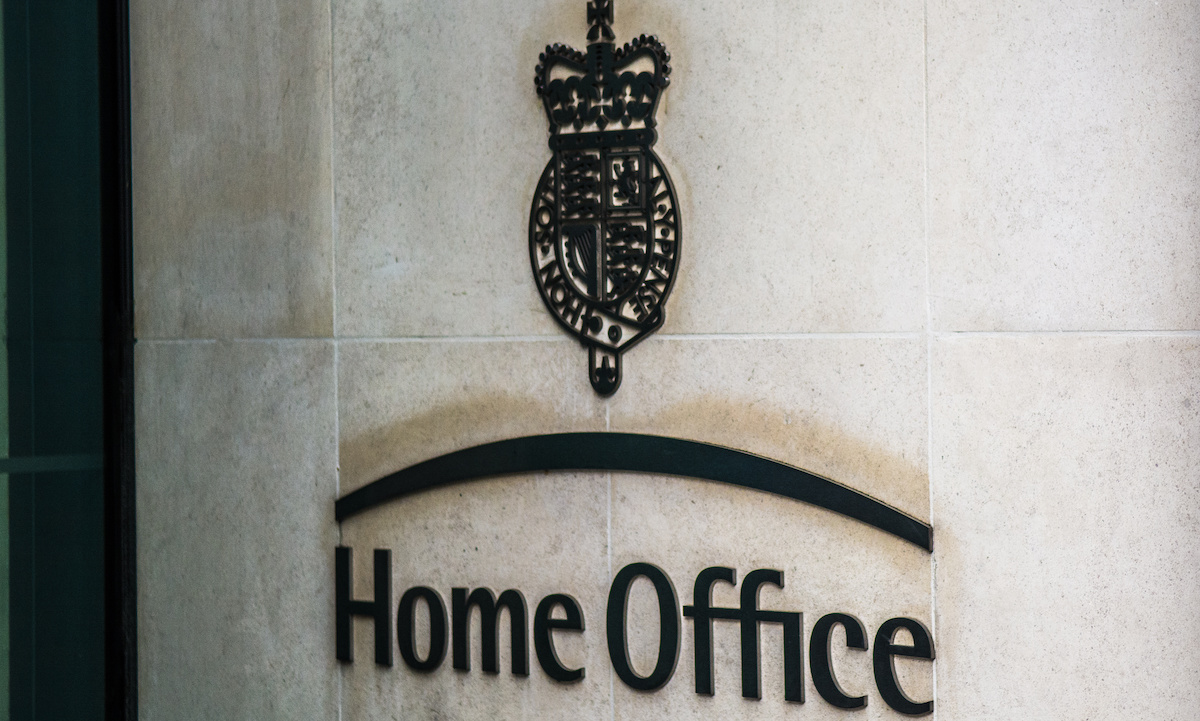
The border inspectorate has requested information while setting inspection priorities. Reporting also describes quality concerns and an absence of public registration or applicant notification, but the inspectorate has not confirmed an investigation.
What Matters?
Agentic deployment is not automatically outside existing law
The reported EU interpretation narrows the idea that agents need a separate legal definition before existing AI Act provisions can apply. Actual obligations still depend on the system and use, and the reporting does not demonstrate enforcement or effective runtime controls.

The asylum case illustrates the gap between use and assurance
Reported weaknesses in quality control and disclosure show how consequential public-sector AI use can precede visible scrutiny. The information request is an opportunity to test oversight, not evidence that intervention has occurred.
What's Next?
Test EU enforcement and the next implementation milestone
Watch for authoritative confirmation of the reported December 2 watermarking and prohibited-content provisions, and for corrective orders, withdrawals or provider remediation. Such actions would show whether existing supervisory powers materially constrain deployment.

Look for consequential US independent review
The existing watchpoint remains unresolved: identifiable independent evaluators, usable model access and findings that affect release or use conditions would indicate a move beyond proposed oversight. Binding changes to state obligations would also alter the current layered baseline.
Watch whether asylum scrutiny produces intervention
A confirmed inspection, published findings or changes to quality control and disclosure would materially clarify the consequences of the inspectorate’s initial information request.