
 AI Governance
 Data Centers
 Drones
 Climate
 Privacy
 2026 Maine Senate
 Bob Dylan
FTC Draws Line on Data-Driven Prices
Coverage from Arnold & Porter, Sidley Austin LLP, and others
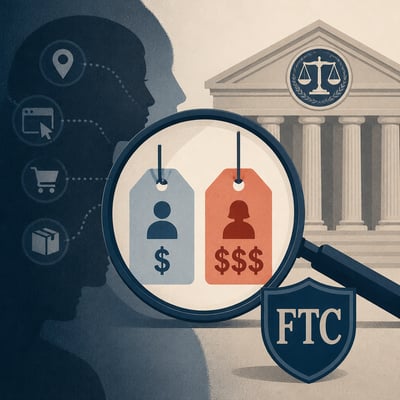
The Federal Trade Commission is seeking public comment on a proposed enforcement policy for personalized pricing, where businesses use consumer data or inferences to set different prices or estimate willingness to pay.
The proposal would focus on undisclosed price personalization, misleading representations, and inadequately authorized data use under Section 5 of the FTC Act, rather than creating a universal ban. The initiative reflects growing scrutiny of data-driven pricing across retail, food delivery, hotels, rideshare, and related services, alongside state-level legislative activity.
The story is more concrete about implementation pressure: New Jersey is identified as having enacted surveillance-pricing legislation with a private right of action, while California and additional industries broaden the regulatory scope. The FTC framework itself remains largely consistent with the prior version.
The story is now framed as a developing federal-state regulatory landscape: the FTC’s nonbinding, disclosure-focused approach is being supplemented by uneven state restrictions. New reporting also raises potential discrimination and data-sharing risks while cautioning that their prevalence and legal consequences remain unproven.
The story broadens beyond online platforms to include physical retailers, data intermediaries, and pricing technology providers, while adding potential safeguards and pressure from state-level measures.
The Federal Trade Commission is seeking public comment on a proposed enforcement policy addressing prices set with personal data, including location, browsing behavior, purchase history, or inferred willingness to pay. The proposal would warn companies that undisclosed data collection or individualized pricing may violate the FTC Act, while leaving the broader legality and implementation of personalized pricing unresolved.