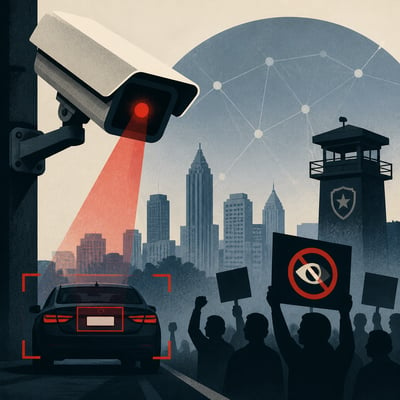
Police AI Expands as Rules LagPolice AI Expands as Rules LagCoverage from CircleID, Courthouse News, and others
00/00/0000
DailyWeekly
U.
S. law-enforcement agencies are expanding AI use to search video, analyze digital evidence, draft reports, identify patterns, and monitor people or facilities. The same capabilities can broaden surveillance and accelerate investigative work while making bias, system errors, source traceability, and courtroom challenges more difficult to manage. California and Utah have adopted disclosure and safeguard requirements for some police uses, but regulation remains fragmented across states and technologies.
Looking Back
102 Day Timeline
Articles published over time. Hover any bar for the period and its article count.
Apr 27
May 13
May 31
Jun 16
Jul 2
Jul 20
Aug 5
History
08/04/2026
The story has shifted from broad AI-enabled surveillance expansion to a more specific emphasis on generative AI in police evidence work and reporting, alongside emerging state-level guardrails. The current version also foregrounds a few local deployments and vendors that make the rollout more concrete.
08/02/2026
The story broadens materially from local police-camera controversy to a wider public-surveillance regime, adding Germany’s newly approved federal powers and more integrated camera, drone, and behavioral-recognition deployments. The emphasis shifts toward governance gaps across diverse systems, not just Flock Safety backlash.

 AI Governance
 Data Centers
 Drones
 Climate
 Privacy
 2026 Maine Senate
 Bob Dylan