
 AI Governance
 Data Centers
 Drones
 Climate
 Privacy
 Bob Dylan

Privacy Quick Briefing
2026-11-02
Privacy Governance Remains Fragmented, With No Clear Daily Shift
of Play
Legal protections and operational controls remain uneven across commercial data use, surveillance and supplier access. The day’s evidence does not materially alter the prior assessment: health-related location exposure and the potential DHS personnel breach were already known, and important questions about actual access, data circulation and breach scope remain open.
What's New?
Privacy protections remain uneven across uses and jurisdictions
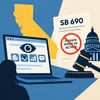
California has narrowed a route for website-tracking lawsuits, while reporting identifies only six states as banning sales of location data revealing hospital and clinic visits. These are context-specific limits, not evidence of a uniform national rule.
Surveillance accountability depends on who can use the data
License-plate systems can make large volumes of vehicle records accessible to many personnel, while some cities have limited control over county-operated systems. The examples illustrate governance gaps, not a demonstrated new deployment surge.

Data residency alone does not establish control
UK hosting and encryption do not necessarily prevent overseas supplier access or potential disclosure under US law. Sensitive-data protection also depends on access arrangements and legal exposure.
What's Changed?
No material shift is established in the daily evidence
The DHS personnel database and the health implications of phone-location data were already in the prior assessment. The current material does not resolve the database’s scope or source, or establish a new restriction on location-data sales.
What Matters?
Sensitive inferences can fall outside the setting that generated them
Phone-location records can reveal healthcare visits even when collected outside healthcare. Limited state restrictions on sales therefore do not establish that sensitive health-related location data has stopped circulating.
Operational access can undermine nominal safeguards
The surveillance and cloud examples reinforce the prior assessment: governance must reach actual operators and suppliers, not just the institution funding a system or the location where data is stored. Neither example proves that controls are absent everywhere.
What's Next?
Resolve the DHS exposure’s scope and source
Watch for verified information on the people and records affected and how the database was obtained. Its claimed scale and the existence of a breach remain unresolved.
Test whether license-plate controls reach actual operators
Watch for enforceable limits on access, permissible queries and retained records, especially where county agencies rather than cities administer systems. Evidence of operational enforcement would strengthen confidence in the safeguards.
Examine age-assurance data practices in deployment
Watch what identity or biometric information particular age-check systems actually collect, retain and share. Potential third-party exposure does not establish those practices in every deployment.