
 AI Governance
 Data Centers
 Drones
 Climate
 Privacy
 Bob Dylan

Bob Dylan Quick Briefing
2026-11-15
Archival Research Advances, but Major Reinterpretations Remain Unproven
of Play
The main new lead is a recollection about British circulation of the Basement Tapes, useful for provenance research but not evidence of a new recording discovery. The larger Rolling Thunder 1976 project remains potentially valuable for comparative scholarship, while its delivery and precise scope still need independent confirmation. The available evidence does not establish a new live-performance direction.
What's New?
Archival material remains the strongest source of new research
The 1956–63 Through the Open Window collection is an established primary-source resource. A 39-disc Rolling Thunder 1976 set was scheduled for November 6, but its independent delivery and exact coverage remain unconfirmed in the available evidence.


A sustained change in live practice remains unestablished
The prior assessment of repertoire flexibility rather than a new touring direction remains unresolved: the available evidence adds no show-level comparison that would confirm or overturn it.

What's Changed?
A recollection adds a lead on Basement Tapes circulation
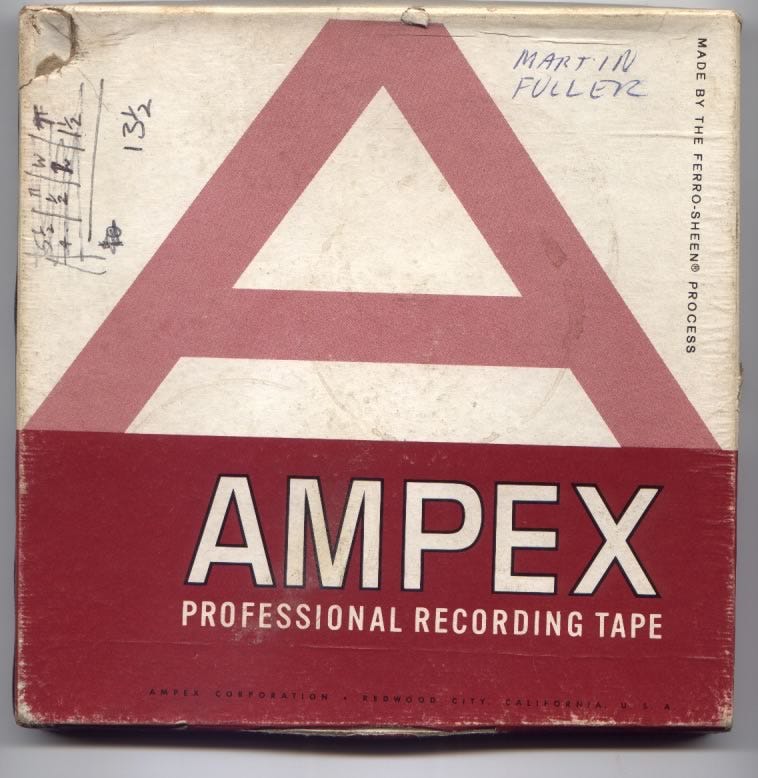
A newly surfaced account recalls a London publisher receiving a reel with more than 14 songs, including alternate takes, and copying it for prospective performers. The same writer infers from surface noise that early UK acetates were copies of an earlier acetate. This is one recollection and inference, not confirmation of previously unknown recordings.
What Matters?
The Basement Tapes account offers provenance, not a discovery
If corroborated, the recollection could clarify how recordings and alternate takes circulated through British music publishers. It does not establish that the reel survives, contains unreleased performances, or requires a revision of the recording history.
The 1976 archive's value is comparative, not yet revisionist
The announced chronological collection could permit show-by-show testing of how performances evolved. That would extend the evidence behind an already established distinction between the 1975 and 1976 revues; no supplied comparative research yet demonstrates a historical reinterpretation.
What's Next?
Confirm the 1976 set's delivery and research value
Independent delivery reports and a show-by-show inventory would resolve the existing availability and coverage question. Comparative analysis would matter most if it changed the chronology or demonstrated the prevalence of particular performance choices.
Seek corroboration of the publisher-tape account
A surviving reel, publisher documentation or independently traceable copies could test the recalled track contents and acetate lineage. Without them, the account remains a research lead.
Test whether tour repertoire changes persist
Further setlists and lineup reports could establish whether the previously observed reduction in Rough and Rowdy Ways songs and older-song revivals persist, or remain isolated variations.