
 AI Governance
 Data Centers
 Drones
 Climate
 Privacy
 Bob Dylan

Bob Dylan Quick Briefing
2026-10-27
Live Reinvention Continues as a Major Archive Awaits Release
of Play
Dylan’s European tour is showing flexibility in both repertoire and arrangement, extending a pattern already visible earlier in the run. The 1976 Rolling Thunder archive remains a pending research milestone; a newly reported standalone edition changes its format, not yet the accessible historical record. The principal uncertainties are how sustained the live experimentation proves and what the archive actually contains and reveals.
What's New?
Tour flexibility remains within an established framework
The European run has combined recurring material with revivals and reported rearrangements. Bremen strengthens the picture of continuing flexibility, though it does not establish a wholesale reset of Dylan’s performance practice.

The 1976 archive is substantial but still pending
The reported 39-disc Rolling Thunder collection is due November 6. It promises a much larger basis for studying the tour, but its release and claimed scope have not yet been verified through accessible recordings and a complete inventory.

Archives already support research into Dylan’s formative years
Issued early recordings and access to Bob Dylan Center documents provide a durable foundation for scholarship on his 1956–1963 development. This remains an established research channel, not a newly demonstrated interpretive breakthrough.
What's Changed?
Bremen extended the tour’s experimentation
On October 25, Dylan revived “Million Miles” for the first time since 2014. Reporting also describes a Bremen arrangement of “Trying to Get to Heaven” markedly different from the Flensburg version, adding performance-level evidence to the previously observed setlist variation.
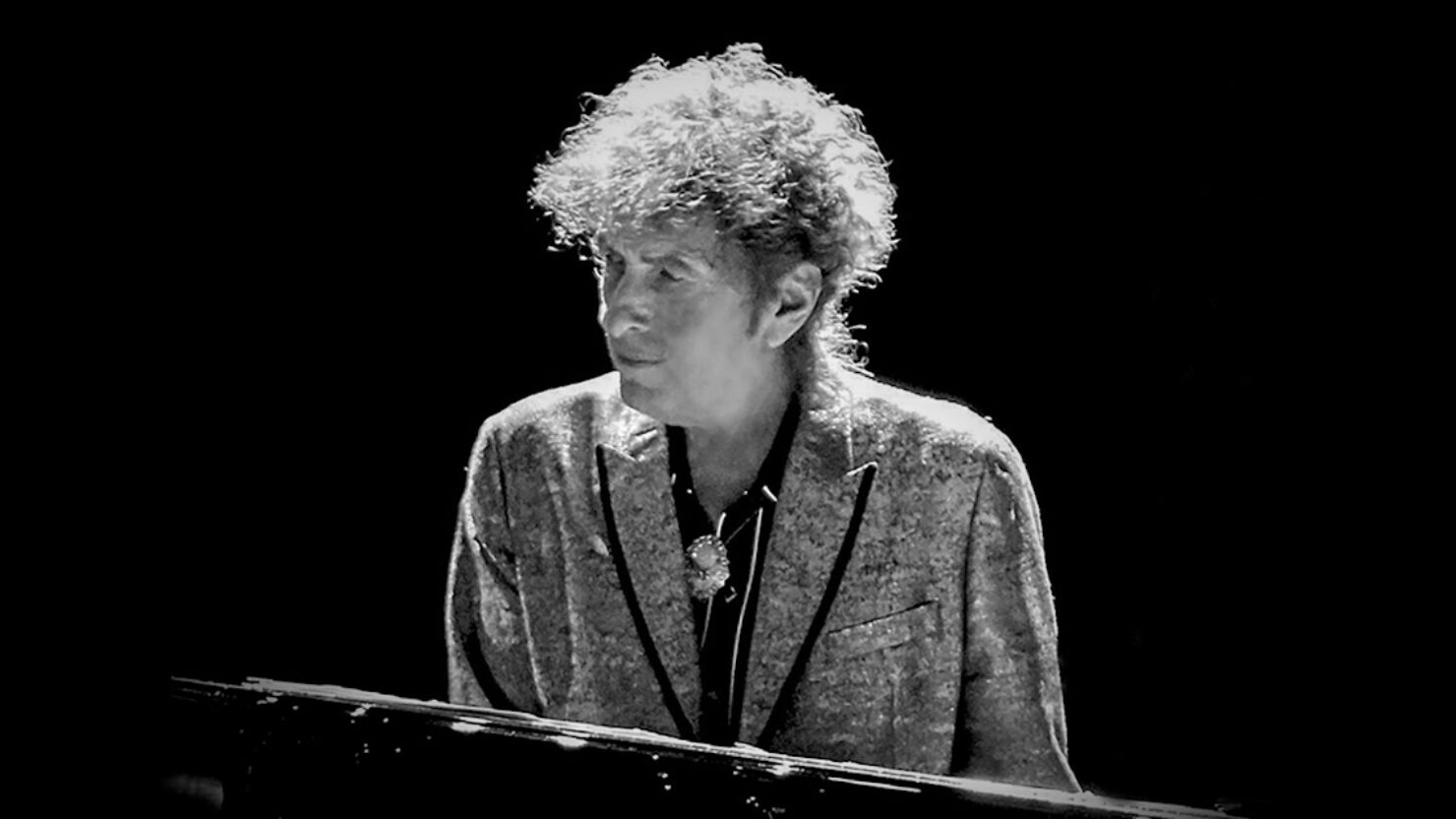
Fort Worth concert gains a reported standalone CD edition
Sony reportedly plans a December 18 two-CD release of the complete May 16, 1976 Fort Worth show, with 18 previously unreleased tracks. The concert is also reported as part of the larger box, so this is a new access format rather than a demonstrated addition to its contents.

What Matters?
Setlists alone understate the evidence of live change
The reported Bremen rearrangement modifies the prior assessment, which could establish repertoire changes but not how songs sounded. It suggests reinvention can occur even when a song remains in the set, although one reported comparison cannot establish how widespread that practice is across the tour.
The archive’s research value depends on comparison, not its size alone
If delivered, the recordings could enable detailed comparisons across a tour already recognized as distinct from the 1975 revue. A meaningful historical revision would require showing how the new material changes the chronology or interpretation of performances, rather than merely illustrating known variation.
What's Next?
Verify delivery and concert-level archive coverage
Watch for the November release, an official inventory and accessible audio. These would test the unresolved claims of near-complete tour coverage and a complete Fort Collins show; subsequent comparisons could establish whether the recordings materially revise the 1976 performance record.
Track whether live rotation and rearrangement persist
Later concert recordings and setlists can show whether Bremen’s changes continue or the tour settles into a more fixed pattern. Audio comparisons are especially valuable for distinguishing stable song choices from changing musical interpretations.