
 AI Governance
 Data Centers
 Drones
 Climate
 Privacy
 Bob Dylan

Drones Quick Briefing
2026-11-09
Drone Use Expands, but Operational Resilience Remains Uneven
of Play
The prior picture remains largely intact: military effectiveness depends on replenishment, adaptation and defenses matched to the threat, while commercial scaling requires more than aircraft and permission to fly. A lethal attack in Colombia and a U.S. protective deployment add concrete security examples, but neither establishes a new sector-wide trajectory. Amazon’s reported UK authorization is potentially consequential, although its operating scope remains unclear.
What's New?
Military advantage depends on mass and adaptation
Ukraine’s experience continues to show the value of inexpensive drones produced and adapted quickly. Sustaining that advantage depends on replenishment and feedback from operators, not acquisition targets alone.

Drone defenses remain threat-specific
Earlier reporting credited Ukraine’s low-cost interceptors with success against piston-powered Shaheds but found them too slow for jet-powered variants. Current performance against either threat is not established by the available evidence.

Delivery operations exist, but network expansion remains constrained
Amazon operates beyond visual line of sight in U.S. markets, while delivery expansion still depends on authorization, viable sites and community acceptance. Local pushback does not establish a sector-wide slowdown.


What's Changed?
Drone attack killed soldiers at a Colombian base
Colombian officials said explosives-laden drones killed at least three soldiers and injured more than a dozen at Santa Rosa del Sur; they blamed the ELN. The attack adds an operational example of armed-group drone use, but does not by itself establish a broader acceleration.

Protective air defenses were confirmed near Mar-a-Lago
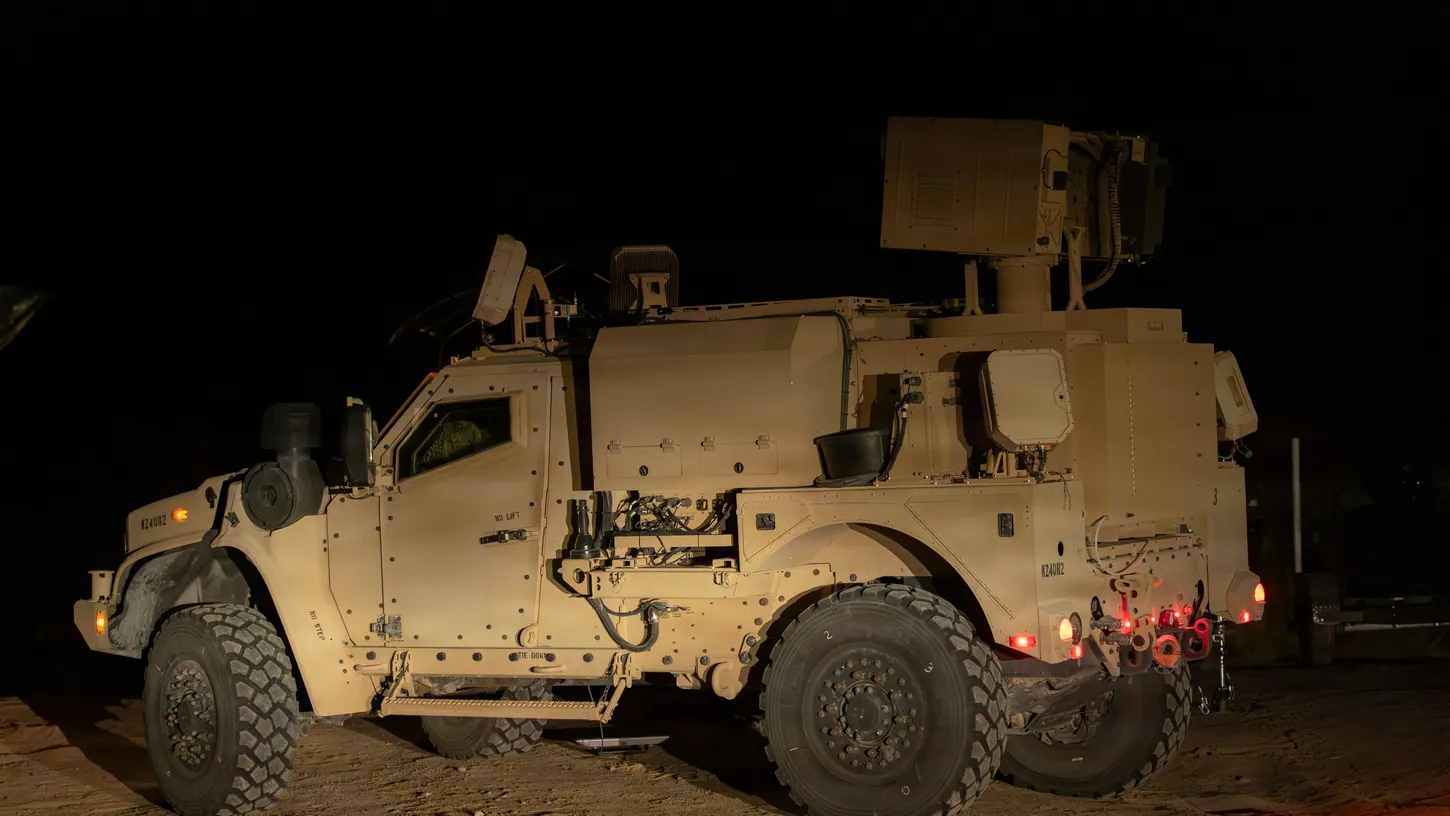
New reporting documents ground-based air defenses deployed at the Secret Service’s request in late October. A photographed vehicle-mounted laser resembles the LOCUST family, but officials did not identify the weapon or a specific threat.
Amazon reports a UK authorization, with its scope unclear
Amazon says it received UK SAIL IV operating authorization and airworthiness validation. The report found no matching CAA announcement or disclosed site and operating limits, so the practical expansion enabled—and when it occurred—remain uncertain.
What Matters?
The attack-defense balance cannot be generalized across drone types
The prior assessment of threat-specific defenses remains intact: success against slower aircraft does not establish protection against faster variants. The Colombian attack also illustrates the consequences of a drone threat reaching a defended military facility, without proving why its defenses failed.
Authorization alone is not a delivery network
Amazon’s reported UK approval could ease an operating constraint, but its undisclosed terms and lack of a matching regulator announcement prevent an assessment of its reach. The prior distinction between permission or expansion plans and sustained service remains important.
What's Next?
Can Ukraine intercept faster drones reliably and affordably?
The existing interceptor watchpoint remains unresolved. Evidence of sustained interception of jet-powered variants, including costs and operational conditions, would clarify whether the earlier speed disadvantage has been overcome.
Do delivery approvals translate into sustained service?
Watch for the UK authorization’s terms and actual Amazon operations, alongside site openings and sustained service by delivery providers. Those would materially update the existing scalability question; announcements alone would not.
Does drone production sustain operational adaptation?
Watch whether forces can replenish losses and update deployed systems as threats evolve. Evidence of sustained output and rapid field changes would strengthen the assessment that low-cost mass can remain effective beyond initial procurement.