
 AI Governance
 Data Centers
 Drones
 Climate
 Privacy
 Bob Dylan

Drones Quick Briefing
2026-11-08
Operational Integration Advances, but Scalable Capability Remains Uneven
of Play
The latest battlefield reporting strengthens the case that drones deliver value when integrated with other forces, without establishing a new technological breakthrough. Elsewhere, threat-specific defenses and constraints on civilian operations continue to separate demonstrated or planned capability from sustained effectiveness. The most consequential uncertainties are whether defenses adapt to faster threats and whether civilian expansion translates into reliable service.
What's New?
Battlefield value depends on integration, not drones alone
Ukraine’s Operation Vivaldi illustrates reconnaissance and attack drones supporting ground forces and territorial gains. The account also credits command and cultural changes, so it does not isolate the drones’ contribution.

Drone defenses remain threat-specific
Low-cost Ukrainian interceptors reportedly performed well against piston-engine Shaheds, but August reporting found them too slow for jet-powered variants. Current interception performance is not established.
Civilian expansion still faces operational constraints
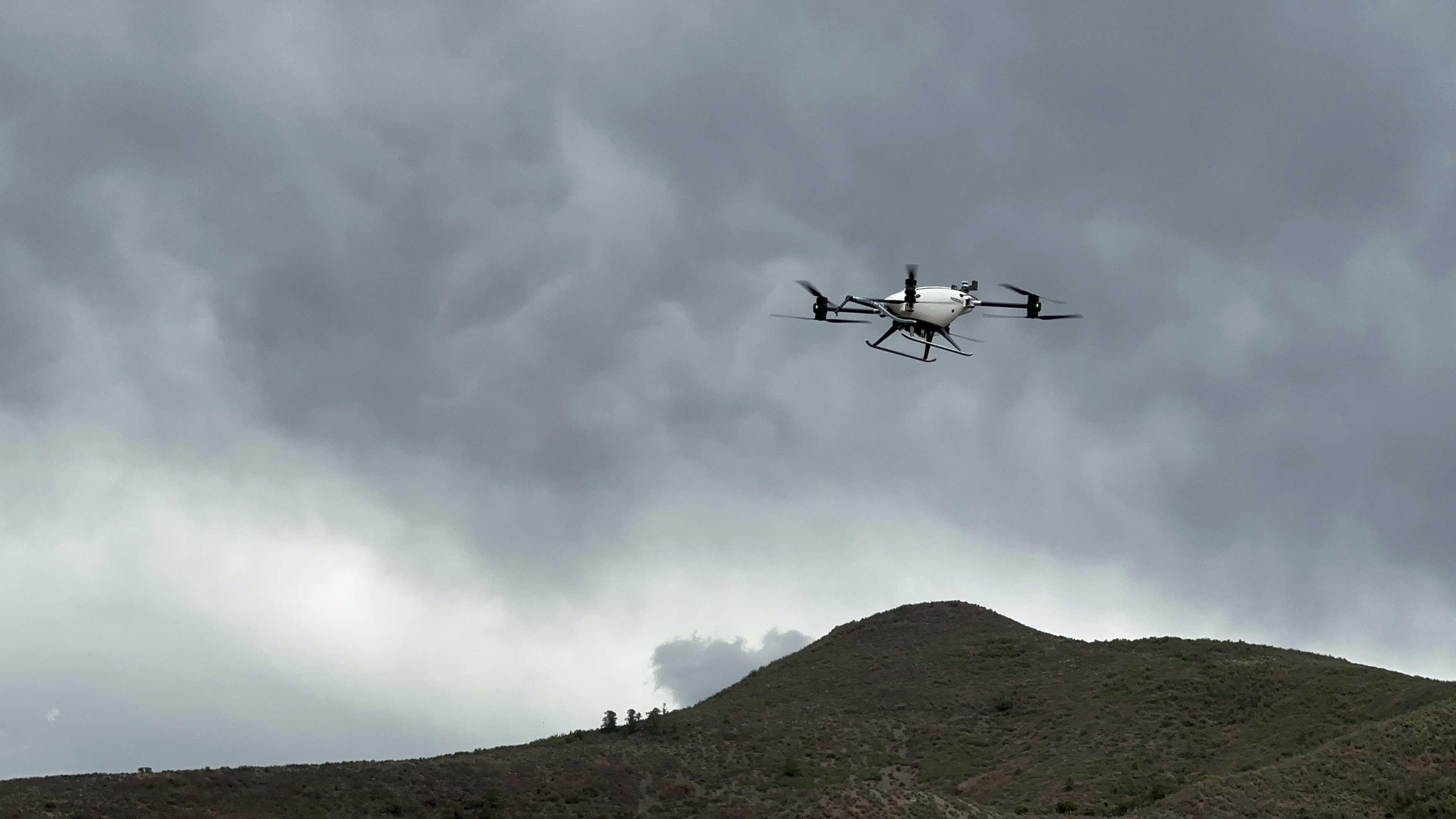
Delivery providers continue pursuing expansion, while local opposition can obstruct individual sites. Aspen’s planned firefighting service likewise remains subject to visual-observation and location restrictions, and has not been tested on wildfires.


What's Changed?
A battlefield account strengthens the integration assessment
New reporting describes how Ukraine’s 66th Mechanized Brigade combined FPV attack and reconnaissance drones with a ground assault during a monthslong operation. It adds an operational example to the prior assessment that integration matters, rather than establishing a new capability or a broader shift by itself.
What Matters?
Fielded capacity is more informative than acquisition alone
Vivaldi reinforces the prior distinction between possessing drones and incorporating them into effective operations: reconnaissance, strike coordination and ground maneuver worked together. The single account does not show that the same results are reproducible across forces.
Effective interception against one threat does not ensure coverage
The speed gap against jet-powered drones means favorable results against slower targets cannot be assumed to carry over. The prior assessment of a continuing adaptation contest remains intact, but the available performance evidence is dated.
Authorization can constrain the reach of a civilian use case
Aspen’s waiver permits training but requires continuous visual observation, limiting reach beyond ridgelines without nearby observers. Its planned service therefore tests not just aircraft performance but whether a constrained operating model can reach fires in time.
What's Next?
Can faster interceptors perform against jet-powered drones?
Watch for operational interception results, deployment scale and costs against jet-powered targets. The existing watchpoint remains unresolved; August’s reported results against piston models do not answer it.
Do delivery expansion plans become sustained service?
Watch for operational site openings and durable service, alongside aviation authorization and local acceptance. The existing scalability question remains unresolved; local pushback alone does not establish a sector-wide slowdown.
Can Aspen validate firefighting drones on real fires?
Watch whether the planned launch produces safe, effective wildfire operations under the current waiver. Prescribed-burn tests and training have not resolved the existing operational-validation question.