
 AI Governance
 Data Centers
 Drones
 Climate
 Privacy
 Bob Dylan

Drones Quick Briefing
2026-11-02
Drone Competition Hinges on Scale, Adaptation and Defenses
of Play
Low-cost military drones remain consequential, but their effectiveness depends on replenishment and rapid adaptation as defenses and threats evolve. New reporting highlights a potentially severe infrastructure impact in Sudan without establishing the timing or extent of the damage. Commercial delivery remains constrained by local acceptance and site access; the available evidence does not show a sector-wide shift.
What's New?
Military advantage depends on more than drone numbers
Ukraine’s experience points to the combined value of low-cost production and rapid battlefield feedback. Reported short adaptation cycles help sustain utility as tactics and countermeasures change; production totals alone are an incomplete measure of usable capacity.

Counter-drone effectiveness remains threat-specific
Earlier reporting indicated that inexpensive Ukrainian interceptors worked against piston-engine Shaheds but were too slow for jet-powered variants. This remains an important capability gap, although current interception performance is not established by the available evidence.

Local resistance remains a commercial scaling constraint
Amazon’s delivery plans illustrate that aircraft capability alone does not determine network expansion: local acceptance and access to launch sites also matter. The available evidence does not establish a sector-wide slowdown.

What's Changed?
Sudan reporting highlights potential grid-wide consequences
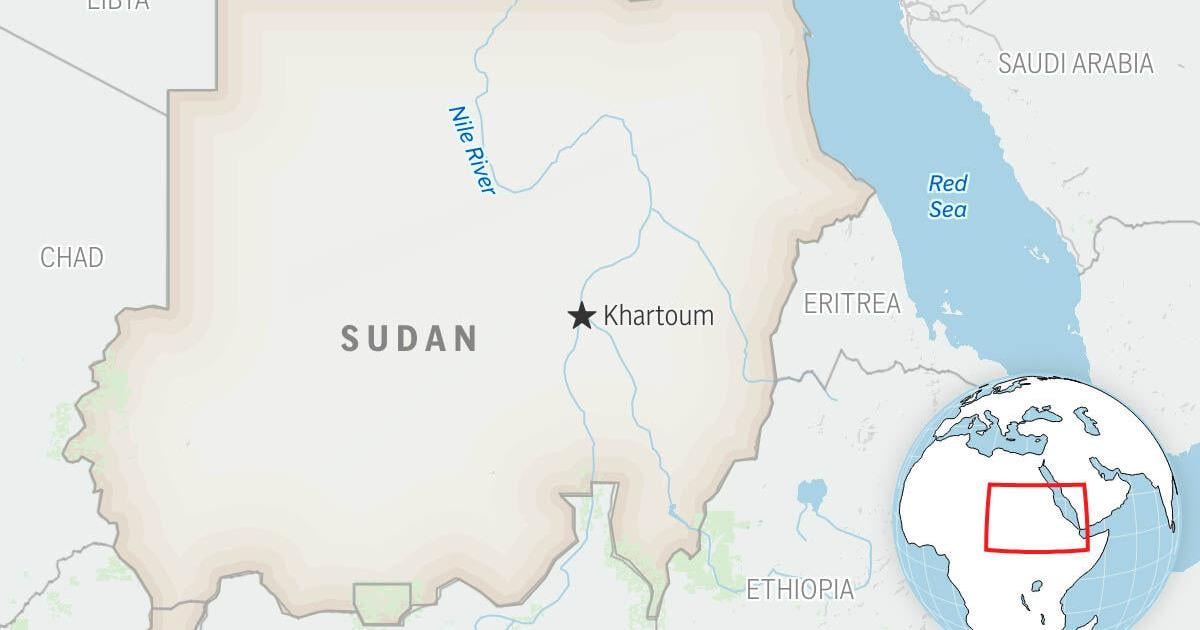
A November 1 AP report describes Sudan’s power grid as nearing collapse after drone strikes on electric stations blamed on the RSF. This adds a consequential infrastructure example to the prior assessment, but the available account does not establish when the deterioration occurred or independently verify attribution and the extent of damage.
What Matters?
Defensive cost advantages may not transfer across threats
The reported gap against faster Shaheds reinforces the prior assessment that an effective low-cost defense against one drone class is not necessarily effective against another. Sustaining favorable interception costs depends on adaptation as attack systems change.

Infrastructure effects can extend beyond individual targets
The Sudan report suggests that drone strikes on interconnected electricity infrastructure may have consequences beyond the sites hit. It broadens the infrastructure-risk picture, but the report alone does not establish the aggregate damage or a new global trend.
What's Next?
Test whether faster interceptors close the gap
Watch for independently supported interception results against jet-powered drones, including deployment scale and full interception costs. Successful operation would resolve part of the existing defense watchpoint; demonstrations alone would not.
Track whether production translates into sustained capability
Watch for evidence that operators can replenish drones, incorporate battlefield feedback and integrate systems into sustained operations. This would strengthen the existing assessment that capacity depends on more than orders or inventories.
Watch whether delivery-site resistance recurs
Further site approvals, withdrawals or sustained operations would clarify whether local resistance is an isolated obstacle or a broader constraint on commercial delivery expansion.