
 AI Governance
 Data Centers
 Drones
 Climate
 Privacy
 2026 Maine Senate
 Bob Dylan
California Data Center Regulation Fight
Coverage from Sacramento Bee, Capitol Weekly, and others
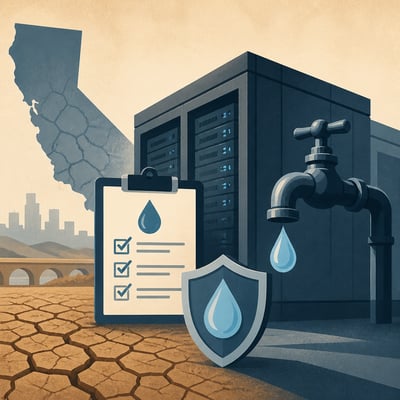
California is turning data center growth into a regulatory and infrastructure debate.
Lawmakers are advancing water and energy disclosure, environmental review, and special-rate measures, while utilities, technology companies, and communities contest who pays for grid and water infrastructure and where facilities can be built.
California’s data-center debate has broadened from disclosure requirements into a wider fight over environmental review, siting, grid costs, and infrastructure responsibility. Local opposition has also produced concrete bans, moratoria, and delayed approvals, while the CPUC and industry groups become more central.
California’s debate has moved from general consideration of disclosure rules toward advancing legislation with broader approval, infrastructure-cost, and electricity-rate consequences. The Imperial County example also sharpened concerns that approvals may precede confirmed water arrangements.
The story now centers more narrowly on California’s post-veto effort to require both preapproval water disclosure and post-opening reporting. It also adds concrete uncertainty around environmental-review pathways and an Imperial County project’s water arrangements.
The story has moved from proposed oversight to concrete local restrictions and advancing California legislation. Communities are now banning or pausing projects, while lawmakers advance measures covering water disclosure, grid costs, and environmental review.
Data center expansion is prompting tighter scrutiny of water use, supply availability, and environmental review, especially in California’s water-stressed regions. Proposed state bills would require developers to disclose projected demand and operators to report actual use, while other jurisdictions are considering permits, reclaimed-water requirements, efficiency standards, or limits on potable-water use. The issue matters because incomplete public information complicates approvals and raises questions about pressure on municipal supplies, groundwater, infrastructure costs, and community water access.