
 AI Governance
 Data Centers
 Drones
 Climate
 Privacy
 2026 Maine Senate
 Bob Dylan

Data Centers: Featured Story
Coverage from Tech Policy Press, Aol, and others
Voters Reject Data Centers at Ballot Box
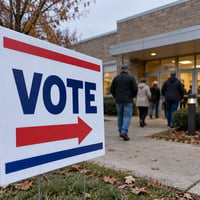
In the November 2026 U.S. elections, voters in multiple jurisdictions approved measures limiting data center development, with Ohio communities among the most prominent examples. Candidates in several states also won after calling for moratoriums or tighter oversight. The results may shape local permitting and future state policy, but proposed pauses and restrictions have not necessarily been enacted statewide.
If you read one thing
A broad account of local ballot results and election outcomes across several states, with context on what may follow.
The evidence
Adds a measure-by-measure overview and examples of the different restrictions voters considered, alongside an industry-oriented argument about their potential costs and benefits.
The clearest established change is a wave of local voter-approved restrictions. Broader state-level pauses and tighter controls remain proposed or pledged in the coverage; their enactment and effects on development are not yet established.
Local restrictions prevailed across most measures covered by the reporting. One analysis said restrictions prevailed or were leading in 39 of 40 measures across 13 states; Ohio was a major flashpoint, and reports also described measures passing in Maine and Kansas.
Several incoming governors and other elected officials backed moratoriums or tighter oversight, including in Texas and Georgia. The coverage describes these as commitments or proposals, not as statewide restrictions already in force.
The reporting connects local opposition to concerns about electricity and water use, ratepayer costs, tax incentives, and whether promised jobs and community benefits will materialize. The election results establish political resistance, but not how much development will ultimately be delayed or stopped.