
 AI Governance
 Data Centers
 Drones
 Climate
 Privacy
 Bob Dylan

Data Centers: Featured Story
Coverage from Tech Policy Press, Aol, and others
Voters Approve Data Center Restrictions
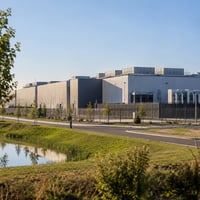
In the November 2026 U.S. midterms, local voters overwhelmingly backed measures to restrict data center development, while several incoming governors campaigned on pauses or tighter conditions. Concerns include electricity costs, water use, and community input. Developers including OpenAI have announced changes to engagement and disclosure practices, while the effects on project timelines and investment remain uncertain.
If you read one thing
A broad account of local ballot results, state-level political shifts, and the uncertainty over what follows.
The evidence
Adds reporting on voter concerns about electricity and water, campaign positions, and possible market effects.
Best explainer
Examines how developers are responding and why local restrictions may reshape projects without stopping them outright.
Latest development
Provides later coverage of election results, incoming officials’ proposals, and developer commitments.
The election results establish strong local opposition and political momentum for tighter oversight, but many statewide proposals are campaign commitments rather than enacted policy. The extent of any resulting construction delays or investment shifts is not yet clear.
Local restrictions passed in most reported ballot contests. Coverage gives differing totals across its counts, but consistently describes an overwhelming pattern; Ohio measures passed broadly, while Harwood, North Dakota, rejected a restriction.
Incoming governors in states including Texas, Ohio and Georgia have proposed pauses, moratoriums or tighter conditions for new facilities. The coverage describes these as proposals or pledges, not implemented statewide rules.
Developers are responding to concerns about electricity costs, water, transparency and community input. OpenAI announced commitments including greater disclosure and community engagement; Meta indicated that expanding existing campuses may be easier than building new ones.
Coverage reports project delays and investor concern, but the scale of longer-term effects on construction, investment and AI infrastructure growth remains uncertain.
40 of 41 local ballot contests
ENR reported that voters approved restrictive measures in 40 of 41 local data-center ballot contests on November 3.
27 of 41 measures; all 13 measures supporting projects were rejected
The Motley Fool reported that voters approved 27 measures restricting development or expressing opposition and rejected all 13 measures that would have supported projects.
44 of 45 completed elections, out of 47 referendums tracked
The Associated Press reported Redbud Consulting’s tally: restrictions passed in 44 of the 45 elections with complete counts; Redbud tracked 47 referendums in 44 municipalities across 12 states.
All 21 restrictive measures
ENR reported that every restrictive data-center measure on the ballot in Ohio passed.
Nearly 80%
The Motley Fool reported that nearly 80% of voters backed an Ohio ban affecting a proposed $2 billion Amazon data center; the article does not give the exact municipality in this passage.
At least 14 Ohio municipalities; 8 Maine municipalities
The article reported that at least 14 Ohio municipalities passed bans or restrictions and eight Maine municipalities passed temporary moratoriums.
Over 440 active moratoriums; 34 states have considered moratorium bills
A tracker maintained by Interconnected Capital, as cited by USA TODAY, counted active U.S. data-center moratoriums and states that had considered moratorium bills.
Up to 41%
A Cleanview analysis cited by USA TODAY estimated that newly elected governors could pause up to 41% of planned U.S. data centers; this is an estimate, not a reported number of projects actually paused.
169 operational; 118 under construction; more than 500 planned
The article reported these counts for data centers in Texas, alongside Governor-elect Gina Hinojosa’s proposed pause on new projects.
25% to 30% by 2030
An analyst cited in the article said Texas was expected to account for this share of data-center capacity coming online by 2030.
Contested Issue
Whether developers’ new community commitments represent substantive stewardship or mainly reputational repositioning
OpenAI said its community framework would publish construction plans and impact information, avoid nondisclosure agreements with public officials, and support clear rules for responsible development.
University of Michigan professor Ben Green was skeptical, saying AI companies’ community-agreement efforts appeared to reposition them as responsible stewards and re-enter the conversation with an aura of responsibility.
Coverage first described the breadth of local opposition to data center development and the incoming officials advocating pauses or tighter rules. Subsequent reporting examined possible effects on projects and investment, alongside developers’ pledges to improve community engagement and disclosure. Later coverage continued to stress uncertainty: restrictions and policy proposals could complicate development, but their effects on timelines and investment remained unresolved.
- 11-05-2026
Coverage reported that voters had approved local restrictions in many contests and described incoming officials’ calls for pauses or tighter oversight. It also noted the uncertainty facing developers and the political landscape ahead.
- 11-06-2026
Articles examined how moratoriums, zoning limits, and state proposals could affect development, while reporting on OpenAI’s community commitments and other possible developer responses. Coverage also highlighted concerns about electricity costs, water, and community input, alongside uncertainty about market effects.
- 11-09-2026
Coverage focused on the implications of the election for AI infrastructure plans, reporting on local restrictions, proposed state-level limits, and voter opposition. It also discussed the potential consequences for project plans and investment.
- 11-11-2026
A broader account connected local restrictions and incoming officials’ proposals with possible changes to permitting, utility regulation, and developer practices. It reported that the effects on project approvals and investment were still uncertain.