
 AI Governance
 Data Centers
 Drones
 Climate
 Privacy
 Bob Dylan

Data Centers: Featured Story
Coverage from Aol, Data Center Knowledge, and others
Nvidia Probes Alleged Spy Effort Against CEO
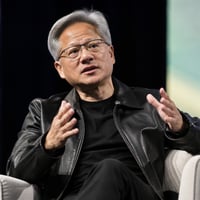
Nvidia’s board has opened an independent investigation after reports alleged that CEO Jensen Huang was targeted through a relationship involving Alice Huang, a former executive at Singapore-based data center company Megaspeed. Nvidia says it has no reason to believe company secrets or U.S. national security were compromised; the allegations remain unsubstantiated, and China has denied them. The inquiry has prompted questions about Huang’s leadership and potential export-control scrutiny, while Nvidia shares and other AI-linked stocks fell amid broader sector concerns.
If you read one thing
A concise account of Nvidia’s board investigation, the allegations, and the company’s stated response.
Best explainer
Connects the leadership uncertainty to Nvidia’s role in AI data-center infrastructure and weighs possible disruption against the resilience of its ecosystem.
Latest development
Reports a later market reaction and related investor concerns about infrastructure financing and regulation.
The board’s inquiry is the central unresolved matter. Nvidia says it has no reason to believe company secrets or national security were compromised, while coverage reports that Huang remains CEO and has agreed to cooperate.
Nvidia’s board said an independent-director committee, assisted by outside counsel, would examine the available information. Huang said he supports the investigation and would cooperate; the coverage does not report a finding from the inquiry.
Reports identify Alice Huang, a former executive associated with Singapore-based Megaspeed, as the person at the center of the allegations, and say Megaspeed bought more than $4.8 billion in Nvidia chips over about two years. The alleged intelligence activity and any diversion of chips remain unverified; Singapore disputed some reporting about its government’s involvement, and China rejected the espionage claims.
Coverage describes potential consequences for Nvidia’s customer relationships, succession planning, and the wider AI infrastructure market, given the company’s role in data-center computing. Analysts note that its engineering organization and established hardware and software ecosystem could limit disruption, but the effect of any leadership change is unresolved.
Nvidia and other AI-linked shares fell in later coverage as investors weighed the leadership probe alongside concerns about AI infrastructure financing and regulation. The reporting does not establish that the investigation itself will slow data-center construction.
More than $4.8 billion in Nvidia chips
The New York Times reported that Singapore-based data center company Megaspeed bought this amount over the preceding two years; the reports do not establish that the chips were diverted to China.
6.39%
Nvidia shares fell this much on Monday morning, according to an article published November 9, 2026, following Jensen Huang’s letter to employees apologizing for the affair.
Contested Issue
Whether Alice Huang was engaged in an intelligence effort for Beijing involving Nvidia-related information
The New York Times reported that U.S. intelligence determined Alice Huang was feeding information directly to Beijing.
China’s Foreign Ministry called the spying allegations unsubstantiated and a smear against China.
Coverage began with Nvidia’s board announcing an independent investigation into reports that CEO Jensen Huang had been targeted by a foreign intelligence effort; the board said it had no reason to believe company secrets or national security had been compromised, and Huang said he would cooperate. Reporting then examined the allegations’ potential implications for chip exports, Nvidia’s customer relationships, and leadership succession, while noting that the inquiry was ongoing and its claims had not been established. Coverage also emphasized Nvidia’s central role in AI infrastructure and the possibility that leadership uncertainty could affect customers and investors. By November 12, reports described a broader selloff in AI-linked companies, connecting Nvidia’s turmoil to concerns about infrastructure financing, regulation, and the pace of data-center construction.