
 AI Governance
 Data Centers
 Drones
 Climate
 Privacy
 2026 Maine Senate
 Bob Dylan
Underwater Data Centers Face Marine Tradeoffs
Coverage from Maritime Executive, Fortune, and others
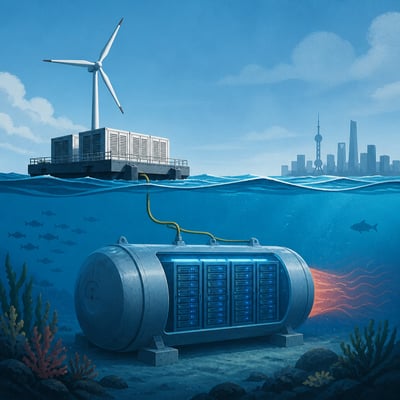
Companies and governments are testing underwater and floating data centers to support growing computing demand while reducing land use, freshwater consumption, and cooling electricity.
China has reportedly moved one wind-powered Shanghai facility into commercial operation, while projects or proposals remain under consideration in several other countries and regions. The approach could lower some resource demands, but equipment access, permitting, upgrades, energy sourcing, and discharged heat create unresolved operational and marine-environmental risks.
Resource and cooling efficiency
Underwater and floating data centers are being tested because seawater cooling and offshore siting could reduce cooling electricity, freshwater use, and land requirements. These potential efficiencies remain the primary rationale for continued experimentation.
Access, maintenance, and permitting constraints
Submerged infrastructure is harder to repair, retrieve, upgrade, and regulate than conventional facilities. These constraints limit confidence that demonstrations can become flexible and economical large-scale deployments.
Marine and energy tradeoffs
Reduced cooling or land impacts do not by themselves establish climate sustainability: warm-water discharge may affect marine ecosystems, while the facilities still require substantial electricity. Net benefits therefore depend on low-carbon power and credible environmental safeguards.
The new articles reinforce existing expectations that ocean-based data centers could reduce land and cooling demands but face unresolved maintenance, permitting, emissions, and marine-ecosystem risks. They provide no material new development beyond the prior state.
Previously
Companies and governments are testing underwater and floating data centers to support growing computing demand while reducing land use, freshwater consumption, and cooling electricity. China has reportedly moved one wind-powered Shanghai facility into commercial operation, while projects or proposals remain under consideration in several other countries and regions. The approach could lower some resource demands, but equipment access, permitting, upgrades, energy sourcing, and discharged heat create unresolved operational and marine-environmental risks.