
 AI Governance
 Data Centers
 Drones
 Climate
 Privacy
 2026 Maine Senate
 Bob Dylan
Trump Administration Reshapes FEMA
Coverage from Coyote Gulch, Atmos, and others
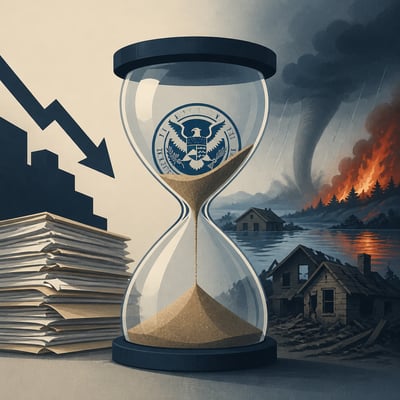
The Trump administration is pursuing major changes to FEMA, including a smaller workforce, streamlined assistance, tighter federal involvement, and greater responsibility for state, local, and tribal governments.
Reports describe delayed disaster declarations and reimbursements, reduced preparedness capacity, and concern that local governments may lack the resources to absorb more responsibility. The debate is intensified by increasingly costly and disruptive extreme weather, making FEMA’s operational capacity and funding model central to disaster readiness.
The story now emphasizes that FEMA is being transformed rather than simply cut, with the Review Council explicitly favoring a leaner agency and more limited federal aid. It also adds a stronger focus on uneven state capacity and the growing strain from more frequent, costly extreme-weather events.
The story has sharpened from a general debate over FEMA reform into a more concrete account of operational weakening: slower declarations and reimbursements, reduced staffing, and visible internal dissent are now central. It also broadens the reform agenda to include FEMA governance and flood insurance changes under the FEMA Review Council.