
 AI Governance
 Data Centers
 Drones
 Climate
 Privacy
 2026 Maine Senate
 Bob Dylan

REAP Solar Funding Dispute
Coverage from Earthjustice, Reuters, and others
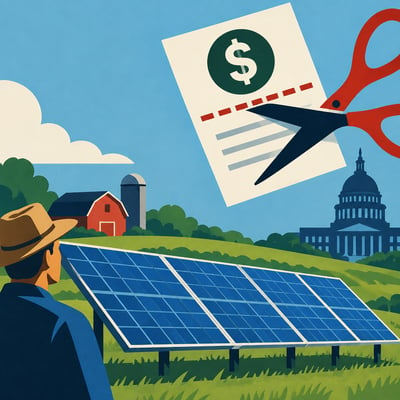
The Rural Energy for America Program (REAP) helps farms and rural small businesses finance renewable-energy and efficiency projects.
USDA’s changes to solar-funding eligibility and reimbursement rules have prompted legal challenges from environmental, agricultural, and solar groups, who argue that restrictions were applied to projects already approved or underway and can shift costs onto applicants. USDA has cited concerns including farmland protection, while a prominent example involves canceled support for solar arrays at Book Family Farms in Illinois. The dispute raises questions about how funding rules are implemented and how applicants are treated when program requirements change.
USDA has restored some REAP awards, adding a counterpoint to reports of cancellations and leaving project outcomes uneven. The dispute is also more clearly framed around whether the changes fit the program Congress authorized.
Reporting now documents disrupted or cancelled awards, including for projects already built or under construction. This makes the effects of the revised rules more concrete than the earlier emphasis on uncertainty over existing awards.
The update clarifies that revised rules may require projects to be operational before applicants seek funding, and adds USDA’s stated rationale for the restrictions. Some provisions were scheduled to take effect October 16, but the litigation remains unresolved.
Farmers, solar businesses, and environmental and agricultural organizations have sued the U.S. Department of Agriculture over suspended REAP funding and revised eligibility rules affecting rural solar projects. Plaintiffs allege the changes exclude solar projects and were applied retroactively to approved or completed projects, leaving some applicants without expected funding. The case will test how the agency handles prior awards while revising a federal program that supports renewable-energy and efficiency investments in rural areas.