
 AI Governance
 Data Centers
 Drones
 Climate
 Privacy
 2026 Maine Senate
 Bob Dylan
Polar Ice Loss Accelerates
Coverage from The Conversation, The Times of India, and others
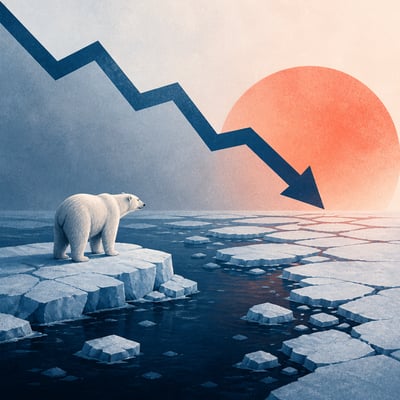
Polar ice loss is becoming more pronounced across both hemispheres, with exceptionally low Arctic sea-ice levels, prolonged Antarctic winter warmth, failed sea-ice refreezing in West Antarctica and unusually rapid Swiss Alpine glacier melt.
Researchers generally describe these developments as part of a longer-term warming trend, while noting that short-term ocean circulation, winds and weather patterns strongly influence individual years. The changes reduce reflective ice cover, threaten ecosystems and ice shelves, and could contribute to wider effects on sea level, ocean circulation and regional weather.
The story now broadens from isolated polar and glacier melt events to a more integrated framing of accelerating ice loss across both hemispheres, with stronger emphasis on downstream risks like sea-level, ocean-circulation, and weather impacts. It also adds a clearer explanation that short-term weather and circulation patterns modulate year-to-year extremes on top of long-term warming.
The story broadens from Arctic sea-ice decline plus Swiss glacier loss to a wider cryosphere stress event that now includes unusual winter warming and refreezing failure in West Antarctica. The new Antarctic details make the climate-risk framing more urgent, especially for nearby ice shelves and sea-level-sensitive glaciers.