
 AI Governance
 Data Centers
 Drones
 Climate
 Privacy
 2026 Maine Senate
 Bob Dylan
People-Centered Clean Energy Transition
Coverage from New Energy Nexus, npj Clean Energy, and others
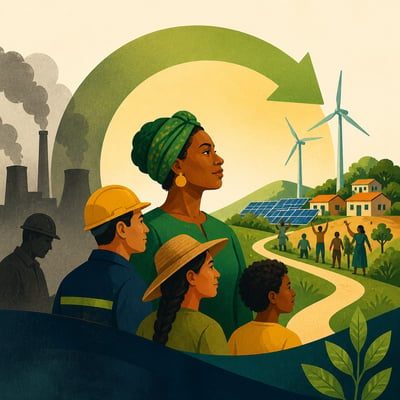
The clean energy transition is increasingly framed as a people-centered process in which communities, workers, women, and local businesses have meaningful influence over energy decisions and access to benefits.
Across the Global South, community energy, rooftop solar, mini-grids, and clean energy enterprises are expanding in response to unreliable electricity and high fossil-fuel costs, but financing gaps, weak institutional coordination, supply constraints, and limited technical capacity remain significant barriers. The direction of the transition will depend not only on renewable energy growth, but also on whether policies and funding deliver affordable power, local economic opportunities, and credible support for communities affected by fossil-fuel dependence.
The story now frames the transition more explicitly as a people-centered equity and accountability issue, not just a financing and implementation challenge. It also broadens the stakeholder focus to more clearly center communities, women, workers, youth, and Indigenous peoples.
The story has broadened from a general clean-energy transition and financing bottlenecks into a more explicit just-transition financing narrative centered on JETPs, concessional capital, and who benefits from deployment. It also adds clearer emphasis on implementation frictions such as supply-chain delays and workforce gaps.