
 AI Governance
 Data Centers
 Drones
 Climate
 Privacy
 2026 Maine Senate
 Bob Dylan
States Scale Back Climate Goals
Coverage from The New York Times, The Conversation, and others
U.
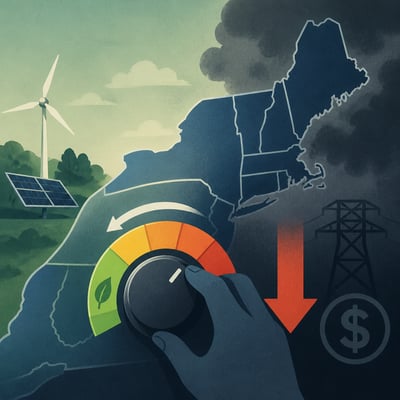
S. states, particularly in the Northeast and on the West Coast, are delaying emissions deadlines, reducing clean-energy funding, or modifying climate regulations as electricity prices and affordability pressures rise. The shift is also shaped by project delays, supply-chain and financing constraints, local opposition, continued fossil-fuel dependence, and reduced federal support for clean energy. The result is a more uneven state climate-policy landscape, with some states scaling back programs while others continue expanding renewable power.
The story now places greater emphasis on execution constraints and federal-policy pressure as reasons states are slowing or reshaping climate programs, not just affordability concerns. It also newly highlights a wider set of policy frictions around project delays, local opposition, and the continued growth of renewables in Republican-led states.
The story broadens from a largely Democratic-state affordability-versus-climate-policy retrenchment narrative into a more national, uneven policy shift that also highlights continued renewable expansion in Texas and new grid pressures from large electricity loads. It also adds more concrete regulatory consequences for community solar and energy-efficiency programs.