
 AI Governance
 Data Centers
 Drones
 Climate
 Privacy
 2026 Maine Senate
 Bob Dylan
Germany Heating and Hydrogen Transition
Coverage from IEEFA, ScienceDirect, and others
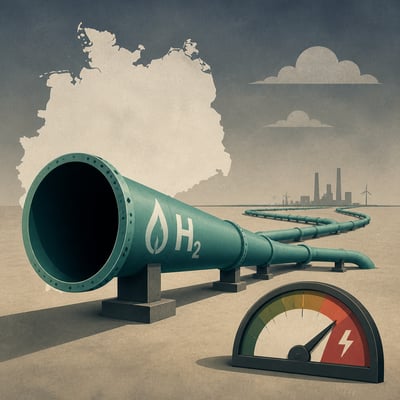
Germany is reshaping its heating and wider energy transition through weaker mandatory renewable-heating rules, faster heat pump uptake, and continued debate over how much role hydrogen and new gas infrastructure should play.
The material repeatedly contrasts direct electrification and grid expansion with hydrogen-heavy or gas-forward pathways, while highlighting cost, permitting, and infrastructure bottlenecks.
The story now more explicitly centers on Germany's heating-rule overhaul as a live legislative dispute, not just a policy trend, with phased fuel blending replacing rigid renewable mandates. It also adds sharper emphasis on the LNG side of the debate, where low utilization and falling gas demand increasingly clash with planned capacity expansion.
The story is now framed more explicitly as a Germany-and-EU systems contest between faster electrification and slower, capital-intensive hydrogen and gas infrastructure. The current version adds stronger emphasis on implementation bottlenecks and the risk that planned hydrogen/gas buildouts will outrun real demand and raise costs.